
Melden Sie sich bei getAbstract an, um die Zusammenfassung zu erhalten.
Melden Sie sich bei getAbstract an, um die Zusammenfassung zu erhalten.
Chris Goodall
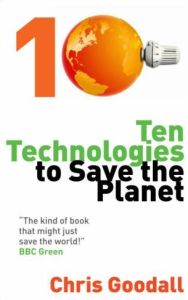
Ten Technologies to Save the Planet
GreenProfile, 2008
Was ist drin?
If each of these ten technologies reduces carbon emissions by 10%, we’ve got the problem licked.


Zusammenfassung verfügbar: weltweit
Recommendation
The geographical characteristics of an area dictate which renewable energy sources will work best. Because renewable energy is inherently, though predictably, intermittent, governments will need to build supplementary systems. Basically, no single technology will answer all of the world’s needs. However, a “portfolio” of technologies should do the trick. Businessman and climate change expert Chris Goodall describes 10 technologies in intricate detail, from the well-known to the obscure, and explains clearly which will work where, and why. Each technology has the potential to reduce the world’s annual carbon dioxide output by 10%. Although quite technical, getAbstract recommends this book to businesspeople, plant managers, home owners and others who value social responsibility and sustainability.
Summary
About the Author
Chris Goodall is an expert on climate change issues. He edits the Carbon Commentary Web site and wrote How to Live a Low-Carbon Life.

Comment on this summary