
Melden Sie sich bei getAbstract an, um die Zusammenfassung zu erhalten.
Melden Sie sich bei getAbstract an, um die Zusammenfassung zu erhalten.
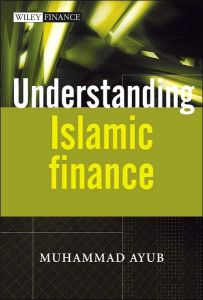
Muhammad Ayub
Understanding Islamic Finance
Wiley, 2007
Was ist drin?
A comprehensive view of the religious origins, legal practices, and business and social implications of Islamic finance.


Zusammenfassung verfügbar: weltweit
Recommendation
Muhammad Ayub provides a thorough report on the major economic and political ramifications of Islamic finance, now practiced in more than 75 countries. This system follows specific, religion-grounded financial policies. For instance, it accommodates Riba, the Islamic prohibition of certain kinds of gains, including interest. Ayub makes it clear that Islamic finance, backed by billions in petrodollars, could come to compete with Western capitalist practices, which he roundly criticizes. His book is simultaneously academic, religious, legal, political and economic (as well as being rhetorical at times, with some challenging long and winding sentences). He also states some apparently opinion-based observations as facts, often with no references, but he knows his subject area and he sounds authoritative throughout, though you may differ with his political viewpoint. getAbstract finds this book critically important for anyone whose work is touched by Islamic banking or finance.
Summary
About the Author
Muhammad Ayub directs training development and Shari'ah aspects at IIBI, London. Formerly, he was the senior joint director in the research and Islamic banking departments of the State Bank of Pakistan, heading the Islamic Economics Division and Shari'ah Compliance. He is an Islamic Finance master trainer.

Comment on this summary