
Melden Sie sich bei getAbstract an, um die Zusammenfassung zu erhalten.
Melden Sie sich bei getAbstract an, um die Zusammenfassung zu erhalten.
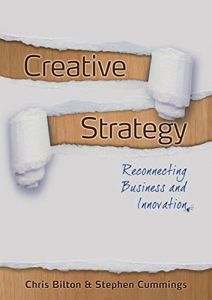
Chris Bilton and Stephen Cummings
Creative Strategy
Reconnecting Business and Innovation
Wiley-Blackwell, 2009
Was ist drin?
You can add creativity to your strategic plan without turning your conference room into a playhouse.


Zusammenfassung verfügbar: weltweit
Recommendation
Academics Chris Bilton and Stephen Cummings propose making creativity a part of your daily operations. With graphics and examples from business, life, literature and the rehearsal room at England’s Royal Shakespeare Company, the authors demonstrate why success requires carefully managed and nurtured innovation. Their writing, unfortunately, is dry, with references to obscure footballers, among other incongruous examples. Nonetheless, getAbstract recommends this innovative treatise to corporate CEOs, overhaul specialists, troubleshooting consultants, middle managers, business historians and anyone who wants to visit the juncture of left and right brain to see how they can merge to produce effective strategy.
Summary
About the Authors
Chris Bilton, head of the Centre for Cultural Policy Studies at England’s University of Warwick, wrote Management and Creativity. Stephen Cummings, head of the Victoria Management School, Victoria University, Wellington, New Zealand, wrote The Business Strategy Pathfinder.






Comment on this summary