
Melden Sie sich bei getAbstract an, um die Zusammenfassung zu erhalten.
Melden Sie sich bei getAbstract an, um die Zusammenfassung zu erhalten.
Barry Eichengreen
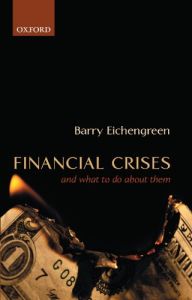
Financial Crises
And What to Do About Them
Oxford UP, 2002
Was ist drin?
The international financial system knows that crises will happen; the question is, what policies prevent or cure them.


Zusammenfassung verfügbar: weltweit
Recommendation
Barry Eichengreen, one of the world’s foremost economists, presents an illuminating, footnote-rich, reflection on the nature of financial crises and the need for systemic reform. Heretofore, official responses to financial crises have often made the problem of systemic vulnerability even worse. International Monetary Fund (IMF) bailouts of developing countries in crisis increase moral hazard by taking the pain of the consequences away from lenders and investors. The IMF effectively allows such investors to reap upside gains from risky ventures while they place responsibility for losses on the IMF itself. Market discipline needs to be the first line of defense against policies and practices that lead countries into crisis. But many political, institutional and financial players resist needed reforms. getAbstract.com congratulates Eichengreen for doing an excellent job of exploring what is necessary and distinguishing it from what is possible.
Summary
About the Author
Barry Eichengreen is the George C. Pardee and Helen N. Pardee Professor of Economics and Political Science at the University of California, Berkeley. He is also the author of several other books on economics, including Globalizing Capital, Capital Flows and Crises, Toward a New International Financial Architecture and Golden Fetters.

Comment on this summary