
Join getAbstract to access the summary!
Join getAbstract to access the summary!
Ken Robinson and Lou Aronica
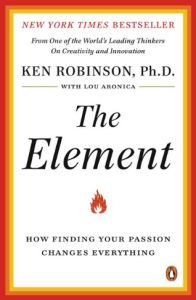
The Element
How Finding Your Passion Changes Everything
Penguin, 2009
What's inside?
When you love what you do, it doesn’t feel like work. Find your passion and attain “the Element.”


Summary availability: Worldwide
Recommendation
According to author and education consultant Sir Ken Robinson, today’s educational systems promote only certain types of learning and recognize only certain types of intelligence and creativity. Yet people are happiest when they follow their talents and do what they love. Robinson, writing with co-author Lou Aronica, describes this avenue to fulfillment as “the Element,” the intersection of ability and passion. He uses stories of artists, scientists, athletes and musicians to support his theory. While Robinson makes a strong case for finding your Element, he doesn’t tell you how to get there. Since he relies on case histories of the famous, some readers might feel more distanced than motivated. Nonetheless, getAbstract recommends this thoughtful self-help book, which challenges traditional views of intelligence and creativity.
Summary
About the Authors
Sir Ken Robinson, the author of Out of Our Minds: Learning to be Creative, is a speaker and consultant on education and creativity. Lou Aronica co-wrote The Culture Code.





Comment on this summary