

Join getAbstract to access the summary!
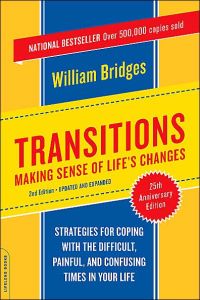
Join getAbstract to access the summary!
William Bridges
Transitions
Making Sense of Life's Changes
Da Capo Press, 2004
What's inside?
“No pain, no gain” applies to coping with life’s major turning points, not just to body building.


Recommendation
In 1970, William Bridges, an English professor, was experiencing a difficult time in his life. A scholar, he decided to learn all that he could about the psychology of transition. Eventually, he taught a course in it; then he developed his ideas into a book, which quickly became the definitive source on the topic. Psychologists, counselors and other mental health professionals recognized it as a breakthrough self-help text. With insights, information and concepts that you’ll be able to apply to everyday life, Bridges leads you through an often angst-ridden process. With his advice, you’ll identify and understand your personal development timeline and learn to use change to your advantage. Transitions, ultimately, result in achieving real growth, both spiritually and psychologically. getAbstract recommends this classic book to people anticipating or in the midst of professional or personal turning points.
Summary
About the Author
William Bridges is a lecturer, consultant and author of several books on life transitions.


Comment on this summary