getAbstract

Home | Knowledge Packs | Travel Packs |
Blog | RSS Feeds | Free Summaries

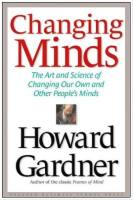
Changing Minds

The Art and Science of Changing Our Own and Other People's Minds

by Howard Gardner

Harvard Business Review Press, 2004

Category: Concepts & Trends

Get the summary
Changing Minds

getAbstract rating

Overall (?)

rating 9 (9)

Innovation

rating 10 (10)

Style

rating 9 (9)

Level of Expertise (?)

rating 6 (6)

User rating

  (9.0)

In this summary you will learn

  • How the major elements of cognitive science are organized
  • How these factors seem to affect the effort to change minds
  • How the process of changing minds varies with different audiences and leaders, and various kinds of intelligence

Why you should read Changing Minds

Most academics believe it's impossible to write intelligent books in plain language that will grab the interest of lay readers...perhaps this one will change their minds. This short book is a pleasure to read. Author and scholar Howard Gardner addresses a general readership without assuming that his readers have academic experience with psychological theories. This is a rare tome indeed - a book by a Harvard psychology don that is intelligible, elucidating and entertaining. Gardner covers all the elements of how people change their minds and couches an appeal to what he calls the "unschooled" mind. He discusses how minds change, how intelligence works and what factors influence people's thinking. Although he does not provide much tactical advice on applying his principles to be more persuasive, almost everyone can learn something new from this book, which getAbstract.com highly recommends. Not only could you benefit from exploring how to change people's minds, you may even change your own mind about the persuasive approaches you use every day.

About the Author

Howard Gardner is the John H. and Elizabeth A. Hobbs Professor of Cognition and Education at the Harvard Graduate School of Education and the Senior Director of Harvard Project Zero. The recipient of a MacArthur Fellowship and 20 honorary degrees, he has written more than 20 books, including Leading Minds.

Comment on this summary

Be the first to write a comment! Sign in to share your opinion