
Join getAbstract to access the summary!
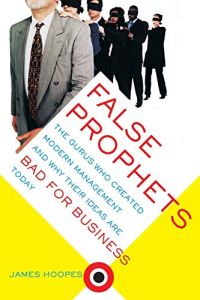
Join getAbstract to access the summary!
James Hoopes
False Prophets
The Gurus Who Created Modern Management and Why Their Ideas are Bad for Business Today
Perseus Books, 2003
What's inside?
Early management gurus tried to democratize corporate power by swapping workers perks — but not clout — for productivity.


Summary availability: Worldwide
Recommendation
Despite its title, this book doesn’t say much, or much of substance, about business today. Instead, it concentrates on lively professional and personal profiles of eight twentieth century management theorists of varying impact. Hammer and Champy, who launched the 1990s re-engineering movement, are mentioned only in the conclusion, and the gurus behind managing for shareholder value aren’t mentioned. A little less detail about peccadilloes of the long dead and a little more about crucial management ideas that have shaped contemporary business might have made the book more relevant. Interestingly, it indicates that slave owners anticipated some of the progressive ideas in modern management but the author leaves it to the readers to make the connection: voila, contemporary workers believe the cant of empowerment about as much as the slaves believed the plantation master’s pieties. getAbstract.com recommends this book for its anecdotal, gossipy entertainment value. It will make you cautious about management consultants - but if you aren’t already, you can’t have spent much time in business.
Summary
About the Author
James Hoopes is a Distinguished Professor of History at Babson College and the author of Community Denied and Consciousness in New England.

Comment on this summary