
Join getAbstract to access the summary!
Join getAbstract to access the summary!
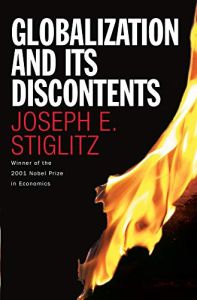
Joseph Stiglitz
Globalization and Its Discontents
W.W. Norton, 2002
What's inside?
International monetary organizations (WTO, IMF) are putting a bad face on globalization: how good intentions went wrong.


Summary availability: Worldwide
Recommendation
Author Joseph E. Stiglitz, a Nobel laureate in Economics, leaves the nebulous subject of globalization pretty quickly, and moves on to his real purpose: a sustained critique of the policies and practices of certain international institutions, especially the International Monetary Fund (IMF). Many of the author’s insights will be old news to those experienced in international economic affairs, though not to the general reader, who will appreciate his straightforward, plain language. The author’s status - as a Nobelist and as chairman of the Council of Economic Advisors during the Clinton administration - makes his book distinctive and controversial. His prominence is a bully pulpit that he uses to inveigh against the IMF’s power, secrecy and authoritarianism. getAbstract.com recommends his case for the prosecution, which is stirring and thought provoking, albeit marred by jabs against his old political and bureaucratic rivals and many variations on the theme "I told you so."
Summary
About the Author
Joseph E. Stiglitz was chairman of the Council of Economic Advisors during the administration of President Bill Clinton. He served as senior vice president and chief economist of the World Bank, and won the Nobel Prize in Economic Science in 2000.

Comment on this summary