In this summary you will learn
- How Alan Greenspan’s career in finance evolved
- How he equivocated prior to his appointment to chair the Federal Reserve
- What Greenspan did as Fed chair
- Why Greenspan’s legacy is a costly catastrophe
Why you should read Greenspan's Bubbles
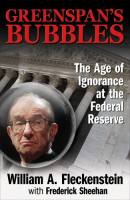
This book states the argument of those who oppose Alan Greenspan, the former chair of the U.S. Federal Reserve. William A. Fleckenstein and Frederick Sheehan, who sometimes seem to go a bit over the top in the intensity of their attacks, write that Greenspan, despite his reputation, was no “maestro.” Instead, they report he was a poor manager with a habit of either deception or self-delusion. The authors support their argument by drawing heavily on extensive quotations from Greenspan’s testimony before Congress and on minutes of the Federal Reserve Open Market Committee meetings. Although getAbstract might wish for less fervor in this presentation, it forwards this book to policy makers, financial services executives and others who wish to understand the downside of Greenspan’s policies and how he may have contributed to the U.S. economy’s current dilemma.
About the Authors
William A. Fleckenstein is president of a money management firm in Seattle. Frederick Sheehan is former director of asset allocation services at a financial services company.
Comment on this summary
Be the first to write a comment! Sign in to share your opinion
If you wish to purchase 20 or more copies of this title (not the summary, but the actual book), please contact us at info@getAbstract.com. Make sure you include the title of the book and your phone number.
getAbstract makes it easy for you to access the summary of Greenspan's Bubbles any time or any place. Once registered, you can choose from a variety of download formats: PDF for your computer, BlackBerry, iPhone, Kindle, PDA or other handheld devices. You can even obtain the audio version of many of our summaries.
Subscribe today to gain access to this summary as well as many other compelling titles!


(7)
(8)
(3)