
Join getAbstract to access the summary!
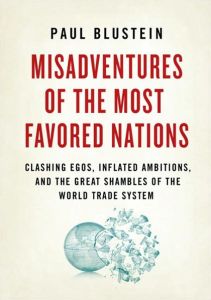
Join getAbstract to access the summary!
Paul Blustein
Misadventures of the Most Favored Nations
Clashing Egos, Inflated Ambitions, and the Great Shambles of the World Trade System
Public Affairs, 2009
What's inside?
A provocative account of the underlying battles in world trade that shape nations’ economic fate.


Summary availability: Worldwide
Recommendation
Veteran journalist Paul Blustein blames half the 2008 economic meltdown – the non-Wall Street half – on dysfunctional global trade policies, and then he explains why. World trade is an arcane topic, complete with mysterious acronyms, complex rules, and negotiators with huge egos and serpentine negotiating positions pushed by antagonistic nations. In an increasingly global economy, trade negotiations are never simple. Even so, Blustein manages to tell this provocative, complex, depressing story as engagingly as possible. At times the book bogs down in negotiating points that only trade technocrats will appreciate, but Blustein fleshes out the story by capturing the quirky, sometimes volatile, personalities involved. Accordingly, getAbstract recommends his book to those who can’t get enough about world trade. If you want all the ins and outs, you’ll be very happy here.
Summary
About the Author
Paul Blustein is an award-winning business journalist who has written for The Washington Post and The Wall Street Journal.

Comment on this summary