
Join getAbstract to access the summary!
Join getAbstract to access the summary!
Tom Zoellner
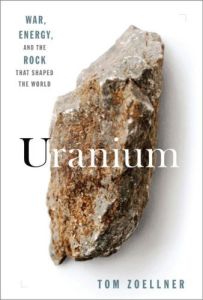
Uranium
War, Energy and the Rock That Shaped the World
Viking, 2009
What's inside?
The inner secrets and central role of uranium, the mysterious natural source of limitless energy and danger.


Summary availability: Worldwide
Recommendation
This is a great story about a very special rock which was formed millions of years ago, and continues to breed a deadly form of energy. Tom Zoellner’s factual book about uranium reads like a gripping novel. He breathes vigorous life into a saga that could have been a dry political and geological tale. His beautifully crafted story puts uranium into its complex context as a key protagonist on the world stage. Zoellner’s reporting ranges from the Congo to Nazi Germany to the war in Iraq, with vivid information at every turn. getAbstract found this meticulously researched book exceptionally interesting, and recommends it to anyone interested in discovering how society entered the atomic age and how it is muddling through.
Summary
About the Author
Tom Zoellner wrote The Heartless Stone: A Journey Through the World of Diamonds, Deceit, and Desire, an American Library Association “Notable Book,” and he co-authored An Ordinary Man. He is a former Men’s Health contributing editor and San Francisco Chronicle reporter.

Comment on this summary