
Join getAbstract to access the summary!
Join getAbstract to access the summary!
Steve Krupnik
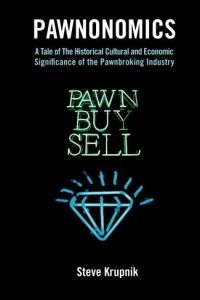
Pawnonomics
A Tale of The Historical, Cultural, and Economic Significance of the Pawnbroking Industry
BookSurge, 2009
What's inside?
Pawnbrokers assume big risks and still make better loan deals than banks – plus lots more you don’t know about pawning.


Summary availability: Worldwide
Recommendation
Throughout history, people have maligned pawnbrokers. The popular image of a pawnbroker is that of a heartless loan shark. According to 30-year pawnbroker and author Steve Krupnik, society has condemned pawnbrokers unfairly for thousands of years, when in fact they provide a vital service, particularly to the poor, as “lenders of last resort.” In his colorful, impassioned – and perhaps not entirely objective – book, Krupnik debunks the criticism leveled at his beloved yet much belittled industry and offers a spirited defense. getAbstract welcomes this iconoclastic, unusual report on an ancient but little-explored facet of economic history and commercial activity, and recommends it to industry insiders, curious outsiders and anyone who might consider pawning an old guitar or Granny’s tea set for a quick, helpful, few-questions-asked infusion of cash.
Summary
About the Author
Steve Krupnik, a pawnbroker for three decades, is the founder and past president of the Indiana Pawnbrokers Association and a past board member of the National Pawnbrokers Association. He received that organization’s 1999 “Pawnbroker of the Year” award.

Comment on this summary