
Join getAbstract to access the summary!
Join getAbstract to access the summary!
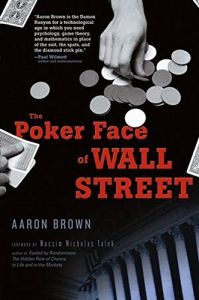
Aaron Brown
The Poker Face of Wall Street
Wiley, 2006
What's inside?
Wall Street and poker have more in common than you might think. Start with risk, bluffing, guts and glory.


Summary availability: Worldwide
Recommendation
In this unusual study, math geek and poker addict Aaron Brown uses royal flushes as a way to meditate on the oft-overlooked topic of financial risk. Poker and trading share many similarities, he argues, and you can apply similar skills and mindsets profitably to both endeavors. Brown travels from California card rooms to Texas back rooms to Yukon gold mining camps, with numerous stops on Wall Street and in the Ivy League. In lesser hands, such a far-reaching study would have lost focus, but Brown manages to keep making meaty points. Unlike the stereotypical quant, Brown writes clearly and gracefully, making his work rewarding to read. getAbstract recommends his book to investors seeking an edge in a risky world. Your deal.
Summary
About the Author
Lifelong poker player Aaron Brown is an executive director at a major stock brokerage. He writes a column for Wilmott, a quantitative finance journal, and holds degrees in math and finance from Harvard and the University of Chicago.

Comment on this summary