
Join getAbstract to access the summary!
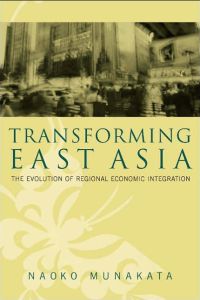
Join getAbstract to access the summary!
Naoko Munakata
Transforming East Asia
The Evolution of Regional Economic Integration
Brookings Institution Press, 2006
What's inside?
East Asian countries are at a crucial point in their development. Where are they heading?


Summary availability: Worldwide
Recommendation
In 2006, East Asia was at a turning point. Sudden economic growth and increased stability in the region were shifting Asia’s geopolitical environment. Naoko Munakata, a director in Japan’s Ministry of Economy, Trade and Industry, offers this analysis as a close observer of the transition. She is particularly critical (though diplomatically so) of American missteps, such as failure to participate in stabilization efforts during the 1997–1998 Asian financial crisis. Munakata recounts past events with an eye toward a future in which the United States, Japan and China accept and adapt to the new realities of East Asia. This detailed analysis of East Asia regional emergence is not a light read, but it deserves the attention of anyone whose responsibilities include Asian affairs.
Summary
About the Author
Naoko Munakata is a director in the manufacturing industries bureau of Japan’s Ministry of Economy, Trade and Industry.

Comment on this summary