
Join getAbstract to access the summary!
Join getAbstract to access the summary!
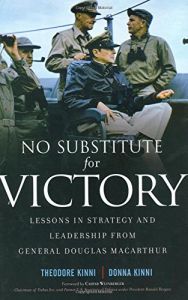
Theodore Kinni and Donna Kinni
No Substitute for Victory
Lessons in Strategy and Leadership from General Douglas MacArthur
FT Prentice Hall, 2005
What's inside?
General Douglas MacArthur knew how to wield authority. This management advice comes from his war stories. Take notes.


Summary availability: Worldwide
Recommendation
The stereotypical military general wields authority like a blunt instrument: Issue an order and it's followed. The reality of military leadership is more complex, as this intriguing study of General Douglas MacArthur shows. MacArthur took a deliberate, nuanced approach to inspiring his troops. His arsenal included motivation, knowledge, intimidation, praise and self-deprecation. Authors Theodore and Donna Kinni combine a short biography, compelling anecdotes and a keen understanding of MacArthur's career and personality to build this episodic analysis of his approach to strategy, motivation and management. They include relevant study questions after each chapter. getAbstract recommends this to managers who need to take their leadership skills to boot camp and to those who enjoy good military tales.
Summary
About the Authors
Theodore Kinni and Donna Kinni have written 11 books, including 1,001 Ways to Keep Customers Coming Back and Ayn Rand and Business. They also have ghostwritten books for consultants and Fortune 500 companies.

Comment on this summary