
Melden Sie sich bei getAbstract an, um die Zusammenfassung zu erhalten.
Melden Sie sich bei getAbstract an, um die Zusammenfassung zu erhalten.
Judith Langer
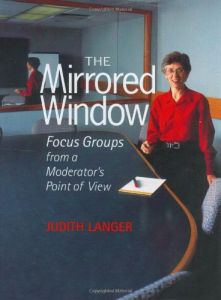
The Mirrored Window
Focus Groups from a Moderator's Point of View
Paramount Market Publishing, 2001
Was ist drin?
Sex, greed, fear and other consumer motivations as revealed through qualitative research conducted with focus groups.


Summary availability: Worldwide
Recommendation
The hidden persuaders of marketing have come out of their mazes to explain willingly how they probe people to find out what makes them tick and why they buy one product instead of another. Everybody knows about surveys and nose counting from political polls and other quantitative research. Now Judith Langer covers qualitative research (QR), the established, but often less explained, way to find out what consumers like and dislike on a deeper level. She notes the advantages and disadvantages of focus group set-ups that allow marketers' clients to hide behind big one-way mirrors, and watch and hear representative customers responding to their product. QR's chief drawback and the reason some companies prohibit it, Langer notes, is that some clients find it "vague," and are uncomfortable with its surveillance tactics. getAbstract recommends this authoritative look behind the one-way mirror to those who deal with focus group results.
Summary
About the Author
Judith Langer has been a QR practitioner since l970 and has moderated focus groups for many major companies.

Comment on this summary