
Join getAbstract to access the summary!
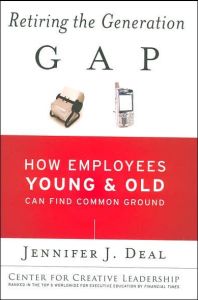
Join getAbstract to access the summary!
Jennifer J. Deal
Retiring the Generation Gap
How Employees Young & Old Can Find Common Ground
Jossey-Bass, 2006
What's inside?
Face it: a generation gap exists, but it can be bridged if you know the rules.


Summary availability: Worldwide
Recommendation
This ambitious book, based on a seven-year survey of more than 3,200 employees, examines how different generations view the workplace. Author Jennifer Deal handles the difficult task of presenting, distilling and interpreting the data according to age group and worker status. Her use of applicable real-life scenarios is effective in helping managers implement these findings, but the presentation of research data makes for weighty reading. getAbstract recommends this book to managers who have problems with intergenerational tensions at work, though Deal concludes that the generation gap is overrated and employees of all ages desire many of the same things.
Summary
About the Author
Jennifer J. Deal is a research scientist at the Center for Creative Leadership (CCL) in San Diego, California, where she manages the World Leadership Survey and the Emerging Leaders research project.
By the same author
Learners who read this summary also read
Related Skills










Comment on this summary