
تخطي التنقل
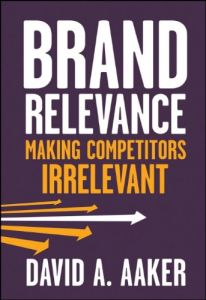
Brand Relevance
Book

Brand Relevance

Making Competitors Irrelevant

Jossey-Bass, 2011 المزيد...

Buy the book


Editorial Rating

8

getAbstract Rating

  • Applicable

Recommendation

Every company wants to produce a product or service so successful that people equate it with a market category. Xerox did it with copiers, and the word “Kleenex” has become a common synonym for tissue. Today’s category-defining brands include Toyota’s Prius and Apple’s iPod. Firms such as Zappos, Best Buy and Amazon have introduced offerings so revolutionary they redefined their markets and created new categories. Moreover, they made it almost impossible for competitors to enter the fray. In this in-depth work, brand guru David A. Aaker provides a model for making your brand relevant and dominant. This thorough, well-researched work resembles a textbook, even though Aaker keeps it lively with dozens of case studies. getAbstract highly recommends Aaker’s well-presented information to marketers and branding practitioners.

Summary

Beer vs. Beer

A look at the Japanese beer market over several decades illustrates the ups and downs of brand dominance within a category and subcategory. From the early 1970s to the mid-1980s, Kirin was Japan’s brand of choice. In 1987, Asahi, a nonthreatening competitor with less than 10% of the market, introduced Asahi Super Dry, a new beer with a sharp flavor, more alcohol and less sugar. Within a few years, 25% of the market preferred this new dry beer. Kirin’s own dry beer failed to recapture Asahi drinkers. By 2001, Asahi surpassed Kirin and became Japan’s dominant beer company.

Kirin rebounded somewhat when it introduced Kirin Ichiban, the result of brewing innovations. Kirin’s popularity fell once more when it tried to change its lager’s image and confused the market. Kirin did better in 1998 when it introduced Tanrei beer, which used less malt and qualified for a lower tax rate. The market responded, and the low-malt subcategory quickly grew. By 2009, Kirin again held more than 40% of the beer market in Japan.

The lesson of the Japanese beer battle is that even leading companies can lose “brand relevance” and market share when a new product redefines...

About the Author

David A. Aaker is vice chairman of the consulting company Prophet and professor emeritus at the Haas School of Business, University of California, Berkeley.


Comment on this summary

More on this topic

Related Skills

تقدم في مسيرتك المهنية
AI Transformation
كن أكثر تكيفًا
الوظيفة
تطوير خطة عمل
تطوير المنظمة
صناعة السلع الاستهلاكية
قيادة التسويق الرقمي
ريادة الأعمال
القيادة التنفيذية
الموارد البشرية
قيادة بشكل استراتيجي
القيادة
Leverage AI in Your Daily Tasks
Manage People and Talent
الإدارة
رؤى السوق حسب الصناعة
التسويق
استراتيجية التسويق الرئيسية
النمو الشخصي
خطط بشكل استراتيجي
Strengthen Team Collaboration
الاستدامة
فهم المنظمات
مهارات مكان العمل
أفضل الممارسات في البيع بالتجزئة
Leverage AI for Product Development
اللاعبون الرئيسيون في قطاع التجزئة
قيادة الابتكار المستدام
تطوير الأعمال التجارية
أفضل الممارسات في السلع الاستهلاكية
تطبيق منهجية الشركة الناشئة الرشيقة
تحديات البيع بالتجزئة
تحديد استراتيجية المنتج
الاستفادة من البراعة
تحدي الافتراضات
إتقان التمركز
صناعة التجزئة
ابنِ شركتك الناشئة
دعم الأفكار الجديدة
تطوير منتجات مبتكرة
دراسات حالة الشركات الناشئة
توليد الطلب
ابتكر بشكل استراتيجي
اختر الأفكار
تسهيل توليد الأفكار الجماعية
ابتكر نماذج الأعمال
تطبيق التفكير التصميمي
قيادة تطوير المنتج
ازرع الفضول
تعزيز ثقافة الابتكار
تطبيق الابتكار المفتوح
المشاركة في ريادة الأعمال الداخلية
إنشاء توافق المنتج مع السوق
تعزيز الإبداع
تعاون بإبداع
دراسات حالة البيع بالتجزئة
Use AI for Generating Ideas
كن مبدعًا
إدارة ابتكار المنتج
الابتكار
توليد الأفكار