
تخطي التنقل
How to Measure Training Results
Book

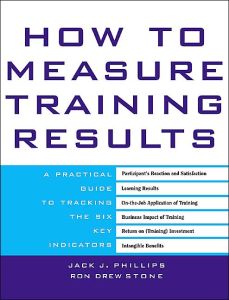
How to Measure Training Results

A Practical Guide to Tracking the Six Key Indicators

McGraw-Hill, 2002 المزيد...

Buy the book


Editorial Rating

7

getAbstract Rating

  • Comprehensive
  • Innovative
  • Well Structured

Recommendation

Authors Jack J. Phillips and Ron Drew Stone have created an easy-to-understand method for measuring the real benefits of training. They outline a process you can use not only to understand the real impact of your training programs, but also to explain the benefits to top management in terms of actual dollars. Their guide takes you step-by-step through six levels of evaluation, from the early planning stages through implementation, right up to an impact study you can use on an ongoing basis to manage training evaluation. getAbstract thinks this guide offers very useful information for training managers. It provides concrete, step-by-step formulas and practical examples on how to set training goals, evaluate training at each level, convert training data to a compelling ROI model and measure the real benefits of your training programs.

Summary

Measuring Training Benefits and ROI

When human resource professionals measure and report the real dollar benefits of training, they help upper level executives understand and support their programs. Good evaluation tells you which training efforts work best and what you should improve, drop or replace. To measure your training program’s return on investment (ROI), collect six types of data and rank them according to how compellingly they demonstrate your training programs’ effectiveness. “Level one” data covers participants’ reactions to their training and are usually collected in so-called “smiley sheets.” “Level two” data reflects what participants learned. An indication of whether or not they apply the learning to their work forms “level three” data. The measured impact of learning on the organization’s effectiveness and bottom line is “level four” data. Creating an ROI measurement is “level five.” “Level six” data is made up of collected intangible training benefits.

Many companies base business decisions on ROI. To derive ROI, calculate net training benefits, divide them by the training cost and multiply the result by 100 for a percentage. For example, an ROI ...

About the Authors

Jack J. Phillips, Ph.D. is a training and performance measurement consultant. Ron Drew Stone directs the measurement and accountability practice at the Jack Phillips Center for Research.


Comment on this summary

More on this topic

Related Skills

AI Transformation
كن متعلمًا ذاتيًا
كن أكثر إنتاجية
التواصل بفعالية
التحكم في الأداء المالي
التمويلات المؤسسية
تطوير خطة عمل
التحول الرقمي
Drive AI Transformation
Drive Team Performance
Enable Digital Organization
ريادة الأعمال
القيادة التنفيذية
الموارد البشرية
تنفيذ استراتيجيات ESG
الابتكار
قيادة بشكل استراتيجي
قد نفسك
القيادة
Leverage AI for HR
اتخذ قرارات جيدة
إدارة رأس المال
Manage Learning and Development
Manage People and Talent
النمو الشخصي
وضع المواهب بشكل استراتيجي
تعزيز التنوع والإنصاف والشمول
المهارات الناعمة
Strategize Digital Transformation
الاستدامة
فهم الابتكار
فهم المنظمات
مهارات مكان العمل
إجراء استبيانات الموظفين
فهم حالة العمل للاستدامة البيئية والاجتماعية والحوكمة
إعادة تأهيل وتطوير مهارات الموظفين
فهم التعلم التنظيمي
تنفيذ برامج الإرشاد
تعزيز تجربة الموظفين
Use AI for Learning & Development
تحليل وتحديد التكاليف
تحديد أهداف العمل
تحفيز الأداء التنظيمي
إدارة تأثير قيادتك
التواصل بشكل استراتيجي
اتخذ قرارات مبنية على البيانات
تنفيذ برامج التدريب
الاستفادة من تكنولوجيا التعلم والتطوير
تتبع تقدم التنوع والشمول
Measure AI Business Impact
حدد أهداف الفريق
حدد وحقق الأهداف
Measure Digital Transformation Impact
فهم التعلم
تعزيز مشاركة الموظفين
تقييم الموظفين
تقييم مشاريع الاستثمار
تنفيذ برامج التدريب
قياس تأثير التعلم والتطوير