
تخطي التنقل
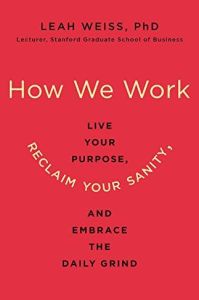
How We Work
Book

How We Work

Live Your Purpose, Reclaim Your Sanity and Embrace the Daily Grind

Harper Wave, 2018 المزيد...

Buy the book


Editorial Rating

7

getAbstract Rating

  • Eloquent
  • Hot Topic
  • Engaging

Recommendation

Based on her popular course at Stanford University’s Graduate School of Business, corporate leadership consultant and professor Leah Weiss offers a clear, thoughtful guide that helps you understand how mindfulness can assist you in finding purpose, reflecting on failure and bettering your work life. Mindfulness lets you recognize when your attention strays and allows you to guide it back with intention. It helps you develop soft skills such as compassion and teamwork. Mindfulness training enables employees and leaders to support one another, challenge the status quo, embrace “radical transparency” and grant the “whole self” space at work.

Summary

The “toxic workplace” refers to toxic expectations.

In the 1980s, toxic workplaces referred to office buildings with poor air quality due to bad ventilation and harmful substances in the environment. Changes to make buildings more “green” improved employees’ overall well-being at work, but these changes didn’t address another toxic element: stress.

Many Americans work too much because they think that busyness grants status. However, that status comes at a cost – as high rates of addiction, obesity, divorce, depression, anxiety, loneliness and burnout attest.

A toxic workplace favors those who push others aside to get ahead, because productivity and profit matter more than employee satisfaction.

In 2008, during the financial crisis, the Harvard Business School created a Hippocratic Oath for Managers. The oath, however, didn’t explain how managers can become better leaders. Ethics classes provide guidance, but courses in soft skills that require critical thinking are even more useful as they teach you how to collaborate and exhibit strong emotional intelligence. Mindfulness helps develop these skills; it can improve...

About the Author

Researcher, professor, consultant and author Leah Weiss, PhD, teaches compassionate leadership at the Stanford Graduate School of Business. She is the principal teacher and founding faculty for Stanford’s Compassion Cultivation Program, conceived by the Dalai Lama.


Comment on this summary

More on this topic

Related Skills

كن مبدعًا
كن متعلمًا ذاتيًا
كن أكثر تكيفًا
كن أكثر إنتاجية
التواصل بفعالية
التحول الرقمي
Drive Team Performance
Enhance Cybersecurity
تعزيز ثقافة الابتكار
الموارد البشرية
الابتكار
قد بأخلاق
الإدارة
النمو الشخصي
تعزيز التنوع والإنصاف والشمول
Strengthen Team Collaboration
مهارات مكان العمل
خلق شعور بالانتماء
تعزيز الشمول العصبي
Practice Transformational Leadership
شجع على التجريب
قيادة بشكل شامل
مارس الامتنان
Foster Team Culture
فهم المشاعر
بناء الثقة
تحديد القيم الأساسية
Build Security Culture
إدارة علاقات الموظفين
تسهيل توليد الأفكار الجماعية
قد نفسك
ابنِ قدرتك على التحمل
تشكيل الثقافة التنظيمية
القيادة التنفيذية
حدد الحدود
ازرع الإيجابية
كسب ثقة الناس
افهم نفسك
تعزيز تجربة الموظفين
كن أصيلاً
إدارة مشاعرك
عش بوعي
عِش بصحة
إدارة التوتر
إتقان المهارات الشخصية
دعم الصحة النفسية للموظفين
التواصل بشفافية
بناء ثقافة شاملة
طور المثابرة
طور الوعي الذاتي
تعزيز التواصل المفتوح
تحمل المسؤولية الشخصية
تغلب على الشك الذاتي
المهارات الناعمة
القيادة
تنمية الانضباط الذاتي
مارس التواضع
دعم رفاهية الموظفين
عزز تركيزك
مارس قيادة الخادم
كن ذكيًا عاطفيًا
تغلب على متلازمة المحتال
بناء والحفاظ على الرفاهية
تعلم من التجربة
حسّن صحتك العقلية
ازرع عقلية النمو
تعزيز تحمل الفشل
بناء الأمان النفسي
تطوير التحكم الذاتي
اكتشف هدفك
تجرأ على أن تكون ضعيفًا
أظهر التعاطف والرحمة
ابحث عن المعنى
مارس اليقظة الذهنية
احتضان الفشل الذكي