
تخطي التنقل
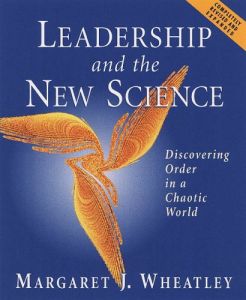
Leadership and the New Science
Book

Leadership and the New Science

Discovering Order in a Chaotic World

Berrett-Koehler, 1999 المزيد...

Buy the book


Editorial Rating

7

getAbstract Rating

  • Comprehensive
  • Eye Opening
  • Well Structured

Recommendation

Author Margaret J. Wheatley describes how new developments in the sciences show us how to design a new, more effective organizational structure. The new structure is more responsive to human needs and to our rapidly changing times. Based on this understanding, you need to make your organization more flexible and adaptable. Using leadership and vision as a guiding force in an organization involves participation, self-management and shared information and power. This excellent, thoughtful, break-through book offers a new way of thinking about organizations and leadership. In clear, compelling language, it emphasizes the ways we are all part of an ever-changing natural order. Wheatley explains the need to get rid of our old out-dated mechanistic models and adapt our organizations to prosper in the future. Our accepted analytical world view, based on using logical analysis and relying numbers to chart progress, should be replaced, Wheatley says. She makes a compelling case and urges organizations to become more effective by becoming more human and natural. getAbstract.com recommends this pivotal book to leaders at all levels.

Summary

The Need for A More Fluid Style of Organizing

Today is a time of rapid change, thus many companies are trying new, flexible types of organizations that are more responsive to change. You should encourage this experimentation. The new world emerging today requires a new, more effective type of organization. The old ways of relating to each other don’t work in our personal lives, communities, workplaces or society. We need new forms based on understanding how life itself changes, so we can better flow with life’s processes.

To move toward this new way of organizing, let go of old forms and "see the world anew." Our old way of seeing the world is based on the Newtonian view of the universe, deriving from 17th century physics and mechanics. That system sees the world like a machine, where an understanding of the whole comes from examining the parts. Our approach has been to take things apart, analyze them and put them back together.

However, that model isn’t accurate. Rather, we live in a world that continually changes and evolves along with us as we interact with it. Our own interaction contributes to that change, so we are in effect co-evolving.

These new...

About the Author

Margaret J. Wheatley is president of the Berkana Institute, a non-profit educational and scientific research foundation supporting the discovery of new organizational forms. She is a principle in Kellner-Rogers & Wheatley, an international education and consulting firm applying the principles of living systems to human organizations. Their clients include Fortune 500 corporations, government organizations, and non-profits. She co-authored the best-selling A Simpler Way with Myron Kellner-Rogers.


Comment on this summary

More on this topic

Related Skills

التواصل بفعالية
تطوير المنظمة
طور مهاراتك في التفكير
التحول الرقمي
مستقبل العمل
Drive Team Performance
Execute Digital Operations
Foster Team Culture
الموارد البشرية
ابتكر بشكل استراتيجي
قد بأخلاق
قيادة التخطيط التشغيلي
قد نفسك
Manage People and Talent
الإدارة
التعاون الرئيسي
إتقان المهارات الشخصية
النمو الشخصي
تعزيز التنوع والإنصاف والشمول
المهارات الناعمة
Strengthen Team Collaboration
فهم الابتكار
مهارات مكان العمل
الابتكار
إتقان التفكير المنظومي
فهم المنظمات
تنمية المرونة
إدارة التغيير
Navigate Leadership Challenges
Practice Transformational Leadership
نماذج العمل الجديدة
احتضن التغيير
فهم أساليب القيادة
كن أكثر تكيفًا
مارس قيادة الخادم
تعزيز الشعور بالملكية لدى الآخرين
تسهيل توليد الأفكار الجماعية
مناهج القيادة الناشئة
التنقل في ظل عدم اليقين
الاستفادة من مجموعات موارد الموظفين
إدارة تأثير قيادتك
فهم التغيير التنظيمي
الاستفادة من البراعة
تنفيذ المرونة
القيادة
تجرأ على أن تكون ضعيفًا
التواصل بشفافية
قيادة التغيير بدون سلطة
القيادة التنفيذية
القيادة من خلال التغيير