


Перейти к содержанию сайта
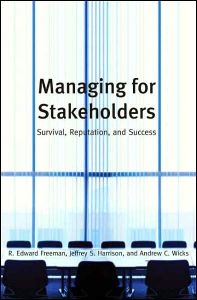
Managing for Stakeholders
Book

Managing for Stakeholders

Survival, Reputation, and Success

Yale UP, 2007 подробнее...

Buy the book


Editorial Rating

7

getAbstract Rating

  • Applicable

Recommendation

Good business leaders know they can help their firms succeed by connecting to their communities and by improving their relationships with employees, suppliers and customers. Yet, many executives still make the grave mistake of focusing solely on their shareholders and bankers, ignoring other important stakeholders. R. Edward Freeman, Jeffrey S. Harrison and Andrew C. Wicks provide new thinking and techniques to help you best manage stakeholder relationships and boost your firm’s success. They offer practical advice for balancing the needs of your financiers with those of other stakeholders. getAbstract recommends this book to all managers and business thinkers. Board members and other professionals who want to understand their new roles and responsibilities in the globalized world of commerce will also value the authors’ take on business ethics.

Summary

Who Are Your Stakeholders?

Shareholders and employees aren’t the only people who make up your business. Your customers, suppliers and community members all have a “primary” stake in what your company does and how well it performs. In fact, your firm’s stakeholders include “any group or individual who can affect or is affected by the achievement of your corporation’s purpose.” News media, government agencies, competitors, consumer advocate groups and special-interest groups all have an impact on your business and, for most companies, they are “secondary stakeholders.”

Don’t concentrate solely on shareholders’ interests. If you ignore other important stakeholders, you will inevitably experience a backlash. Using this “inwardly focused” management approach may also cause you to miss new opportunities for innovation and advancement. Therefore, you must carefully tend to your relationships with both primary and secondary stakeholders. Consider their various needs when making decisions for your business. Look for strategies that have long-term benefits and positive outcomes for everyone involved.

“Business in the 21st Century”

Business practices have evolved...

About the Authors

R. Edward Freeman is the Elis and Signe Olsson Professor of Business Administration at the University of Virginia. Andrew C. Wicks is co-chair of the university’s Olsson Center. Jeffrey S. Harrison is the W. David Robbins Chair in Strategic Management, University of Richmond.


Comment on this summary

More on this topic

Related Skills

التواصل بفعالية
تطوير خطة عمل
مستقبل العمل
إدارة مشروع Drive
Drive Team Performance
Foster Team Culture
الموارد البشرية
زيادة وعيك الثقافي
ابتكر بشكل استراتيجي
الابتكار
قيادة التخطيط التشغيلي
قيادة بشكل استراتيجي
قد نفسك
عِش بصحة
إدارة الاتصالات المؤسسية
Manage People and Talent
إدارة الفرق والأقسام
الإدارة
التسويق
إتقان المهارات الشخصية
النمو الشخصي
خطط واستراتيجيات مبيعاتك
خطط بشكل استراتيجي
المبيعات
تشكيل الثقافة التنظيمية
المهارات الناعمة
الاستدامة
فهم المنظمات
القيادة التنفيذية
اكتشف وجهات نظر عالمية
تنفيذ استراتيجيات ESG
ريادة الأعمال
عش بوعي
ابتكر نماذج الأعمال
إدارة أصحاب المصلحة في المشروع
إدارة أصحاب المصلحة في المبيعات
تجرأ على أن تكون ضعيفًا
اكتشف هدفك
ترجمة الاستراتيجية إلى عمل
كن أصيلاً
قد بأخلاق
Practice Transformational Leadership
تحديد الغرض والرؤية والرسالة
تحديد القيم الأساسية
إدارة تأثير قيادتك
فهم أساليب القيادة
القيادة
التواصل مع الغرض المؤسسي
الإقناع بفعالية
مارس قيادة الخادم
التواصل بشكل استراتيجي
التأثير على الآخرين
اكتشف التحولات المجتمعية
التواصل مع أصحاب المصلحة