Skip navigation
O Que os Seus Funcionários Precisam Mas Não Sabem Dizer
Livro

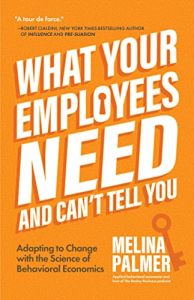
O Que os Seus Funcionários Precisam Mas Não Sabem Dizer

Adaptando-se às Mudanças com a Ciência da Economia Comportamental

Mango Publishing, 2022 more...

Compre o livro


Avaliação Editorial

7

Qualidades

  • Aplicável
  • Revelador
  • Exemplos Práticos

Recomendação

As pessoas aceitam mudanças o tempo todo – novos telefones, novos aplicativos, novas plataformas. A mudança em si não é o problema, é a maneira como o cérebro das pessoas reage a ela às vezes que causa resistência e fracassos. A economista comportamental Melina Palmer explica insights poderosos sobre as razões pelas quais as pessoas se rebelam contra a mudança e traz luz às suas conclusões com histórias pessoais envolventes. Este é um guia acessível e prático para você se tornar mais competente na gestão de mudanças.

Resumo

Um líder eficaz compreende muito bem o cérebro humano.

A economia comportamental, um campo que combina a economia tradicional e a psicologia, traz luz às regras do cérebro – os vieses e falácias cognitivas que podem explicar porque as pessoas agem e pensam de determinada forma. Saber como o cérebro funciona pode ajudar os gestores a se destacarem nas suas funções e, em particular, ajudá-los a liderar equipes durante a mudança. Por exemplo, a investigação do vencedor do Prêmio Nobel Daniel Kahneman mostra que o cérebro tem dois sistemas para a tomada de decisões: o subconsciente, denominado Sistema 1, e o consciente, Sistema 2. O cérebro subconsciente toma decisões rápidas e pode lidar com grandes quantidades de informação. O cérebro consciente se move mais lentamente e lida apenas com uma quantidade limitada de informações. Estes dois sistemas não falam a mesma língua e, como resultado, as pessoas nem sempre sabem conscientemente por que tomaram uma decisão, agiram de certa forma ou são resistentes à mudança.

Para mudar as atitudes das pessoas, concentre-se nos motivadores subconscientes.

A mudança não precisa ser difícil. As pessoas geralmente se adaptam...

Sobre a autora

Melina Palmer é economista comportamental. Ela é CEO da The Brainy Business e oferece treinamento e consultoria em economia comportamental em todo o mundo. Ela também apresenta o podcast The Brainy Business. Palmer leciona no Laboratório de Comportamento Humano da Texas A&M University.


Comente sobre este resumo

Mais deste tópico

Relacionados a habilidades

AI Transformation
Be Creative
Communicate Effectively
Develop Innovative Products
Develop Team Members
Develop Your Thinking Skills
Digital Transformation
Drive AI Transformation
Enhance Cybersecurity
Entrepreneurship
Human Resources
Increase Your Cultural Awareness
Lead Ethically
Leadership
Manage Learning and Development
Manage Performance
Manage Remuneration
Manage Risk
Management
Marketing
Master Interpersonal Skills
Navigate Leadership Challenges
Plan and Strategize Your Sales

Promote Diversity, Equity, and Inclusion
Sales
Shape Organizational Culture
Soft Skills
Understand Consumer Behavior
Understand Economics
Understand Innovation
Understand Organizations
Promote Generational Inclusion
Set Team Goals
Understand Organizational Behavior
Be Authentic
Communicate Transparently
Foster a Culture of Innovation
Manage Crises
Master Collaboration
Mentor Employees
Persuade Effectively
Support Others
Become More Adaptable
Build Security Culture
Coach People
Drive Organizational Performance
Lead Strategically
Leverage AI for Management
Live Intentionally
Manage Employee Relations
Manage Team Boundaries
Navigate Office Politics
Personal Growth
Set Boundaries
Take Other Perspectives
Innovation
Understand Emotions
Be Emotionally Intelligent
Collaborate Across Functions
Develop Self-Awareness
Manage Stress
Understand Yourself
Champion New Ideas
Enhance Employee Experience
Practice Mindfulness
Cultivate a Growth Mindset
Facilitate Group Ideation
Lead Remote or Hybrid Teams
Manage Your Leadership Impact
Promote Creativity
Workplace Skills
Embrace Change
Executive Leadership
Lead Through Crises
Live Well
Take Group Decisions
Understand Human Behavior
Build and Maintain Well-Being
Collaborate Creatively
Decide Under Uncertainty
Drive AI Adoption in Teams
Drive Employee Engagement
Improve Team Performance
Dare to be Vulnerable
Design Incentive Structures
Foster Ownership in Others
Lead Yourself
Develop Self-Mastery
Maintain Work-Life Balance
Make Good Decisions
Manage People and Talent
Motivate Yourself
Navigate Uncertainty
Understand Team Dynamics
Build a Shared Vision
Encourage Experimentation
Foster Open Communication
Improve Your Mental Health
Lead Inclusively
Manage Sales Teams
Practice Humility
Manage Your Emotions
Practice Servant Leadership
Practice Transformational Leadership
Strengthen Team Collaboration
Become More Productive
Cultivate Positivity
Influence Others
Lead through Change
Understand Organizational Change
Manage Your Time
Understand Motivation
Behavioral Economics
Manage Change
Understand Cognition
Drive Team Performance
Drive Change Without Authority
Foster Collaboration
Understand Unconscious Bias
Build Team Cohesion
Create a Sense of Belonging
Foster Team Culture
Build Psychological Safety
Motivate Your Team
Mitigate Cognitive Biases