
انضم إلى getAbstract للوصول إلى الملخص!

Raising AI

انضم إلى getAbstract للوصول إلى الملخص!
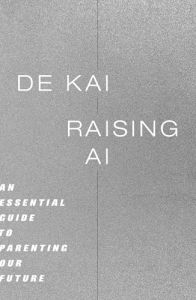
Raising AI

An Essential Guide to Parenting Our Future

MIT Press,

15 دقيقة قراءة
6 الوجبات السريعة
الصوت والنص

ماذا يوجد بالداخل؟

AI systems learn from humans, so consider: What lessons should society teach its “artificial children”?


Editorial Rating

9

getAbstract Rating

  • Bold
  • Visionary
  • Eloquent

Recommendation

AI is not only changing society, but learning from it. The question is, what principles, behaviors, and ways of thinking will those machines internalize — and amplify? In this engaging read, pioneering AI researcher De Kai explores how biases, misinformation, polarization, explainability, and human decision-making intertwine with the technologies people create. AI is not merely a technological problem, he argues, but a human one: To build a desirable future, people must consider the kind of “artificial children” they’re raising and seek ways to imbue this virtual offspring with the values that matter most.

Summary

AI learns from and amplifies human behavior.

AI is no longer just a collection of tools people use. These systems have become active participants in society, learning from the environments people create for them and, in turn, influencing what information people encounter, what ideas gain attention, and which attitudes societies favor. Think of yourself as raising AI in much the same way you raise children. A healthy relationship between human and machine cultures depends on teaching AI systems to engage with a broad range of ideas and evaluate them thoughtfully. It means encouraging qualities such as creativity, inclusion, respect for different perspectives, and openness to new possibilities, while also grounding decisions in evidence and careful reasoning.

Sadly, many current online behaviors teach AI the opposite lessons. Every time people reward only the viewpoints they already agree with, they reinforce systems that narrow exposure to new ideas and strengthen intellectual isolation rather than curiosity. Research from the University of Pennsylvania and City University of London suggests that even when a mere 25% of people...

About the Author

De Kai is the pioneering AI researcher who built the web’s first global language translator and invented groundbreaking language models that spawned Google Translate and Microsoft Translator.


Comment on this summary