
تخطي التنقل
The Customer Centricity Playbook
Book

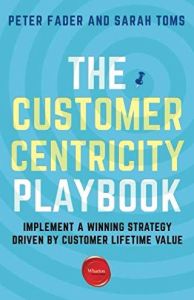
The Customer Centricity Playbook

Implement a Winning Strategy Driven by Customer Lifetime Value

Wharton School Press, 2018 المزيد...

Buy the book


Editorial Rating

7

getAbstract Rating

  • Applicable
  • Well Structured
  • Engaging

Recommendation

Many companies claim to be customer-centric but focus on the wrong priorities, according to thought leaders Peter Fader and Sarah E. Toms. Building on Fader’s 2012 Customer Centricity: Focus on the Right Customers for Strategic Advantage, the authors share tactical approaches to help marketers acquire, retain and develop high-value customers. They explain why familiar approaches such as segmentation and personas aren’t working today, and how to future-proof a brand by centering respect for the individual and customer heterogeneity. Some readers might find this “playbook” short on concrete plays, but it does offer useful insights and strategies for marketing in an increasingly digital world.

Summary

Brands that thrive tend to focus on customers, not products.

Customer centricity means putting customers’ needs first – and specifically the needs of your highest-value customers – and creating products that meet those needs. By extracting the maximum value from high-value customers, you’ll in turn maximize the company’s own long-term value. Product-centric approaches often lead organizations to waste resources in the pursuit of sales to broad swathes of customers. 

The closure of almost 9,000 brick-and-mortar stores in the United States in 2017 demonstrated the fallibility of product centricity. In contrast, brands that cater to the needs of their highest-value customers have managed to survive in a changing global retail landscape. For example, Best Buy focused its resources on supporting the needs of consumers shopping in the smart home category, particularly women, by investing in its GeekSquad. This team of showroom experts served customers who chose Best Buy not for its products – which they could purchase online – but to access staff expertise.

Many leaders think they’re pursuing a customer-centric strategy when in reality they misunderstand ...

About the Authors

Peter S. Fader, a professor of marketing at the Wharton School, focuses his research on the analysis of behavioral data to forecast customer shopping and purchasing activities. He is the author of Customer Centricity: Focus on the Right Customers for Strategic Advantage. Sarah E. Toms is a thought leader in educational technology, a games expert and a founder in the areas of CRM, product development, productivity management and financial systems. She co-founded and serves as executive director of Wharton Interactive.


Comment on this summary

More on this topic

Related Skills

AI Transformation
كن أكثر تكيفًا
ابنِ شركتك الناشئة
التمويلات المؤسسية
تطوير منتجات مبتكرة
تطوير المنظمة
قيادة التسويق الرقمي
تحفيز الاستثمارات وعمليات الاندماج والاستحواذ
Execute Digital Operations
القيادة التنفيذية
ابتكر بشكل استراتيجي
الابتكار
قيادة بشكل استراتيجي
القيادة
Leverage AI for Sales
إدارة التغيير
الإدارة
التسويق
إتقان مبيعات الشركات
Navigate Leadership Challenges
النمو الشخصي
خطط واستراتيجيات مبيعاتك
خطة الأداء المالي
المبيعات
الاستفادة من البراعة
القيادة من خلال التغيير
ريادة الأعمال
Use AI for Prospecting
طور خط أنابيب المبيعات الخاص بك
توليد الطلب
Enable Digital Organization
تعزيز ثقافة الابتكار
النجاح كرائد أعمال
التحول الرقمي
التنقل في ظل عدم اليقين
تحديد احتياجات العملاء
Strategize Digital Transformation
ازرع عقلية النمو
إدارة حساباتك
تطبيق منهجية الشركة الناشئة الرشيقة
تعزيز التركيز على العميل
تطبيق التسويق المستند إلى البيانات
تعزيز تجربة العملاء
إدارة العلاقات بعد البيع
Leverage AI for Customer Experience
إدارة حسابات العملاء
إتقان تقييم الشركات
الاحتفاظ بالعملاء
تنفيذ المرونة
إدارة الحسابات الرئيسية
استخدام أدوات إدارة علاقات العملاء بفعالية