
Перейти к содержанию сайта
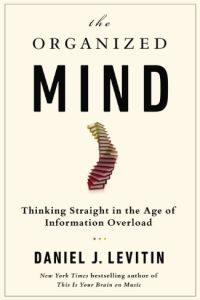
The Organized Mind
Book

The Organized Mind

Thinking Straight in the Age of Information Overload

Dutton, 2014 подробнее...

Buy the book


Editorial Rating

8

getAbstract Rating

  • Applicable
  • Well Structured
  • Concrete Examples

Recommendation

In today’s “age of information overload” you may find yourself perpetually distracted and mired in multitasking. But you have better options. Daniel J. Levitin explains how to organize your mind, and how to systematize your workplace and your thinking to gain control over your life. He makes wonderful points about the limits of the human mind and how to deal with them. Yet even as Levitin explains the constraints of human attention, he floods readers with details. His advice proves so rich with specifics that it can be overwhelming, but deeply perceptive. getAbstract recommends this lovely, useful text to anyone living in the Information Age.

Summary

Information and Organization

Throughout history, people have tried to improve their brains so they can do, know, organize and understand more. The invention of writing about 5,000 years ago was a major breakthrough in “neural enhancement.” At first, people used writing for recordkeeping: receipts, recipes, inventories, and the like. Settling in cities around 3000 BC put new demands on human memory.

Since human patterns of thinking and decision making evolved over the tens of thousands of years that people spent as hunter-gatherers, many individuals still experience mental clashes between emerging techniques and older practices. Thus, attempts to augment human memory continue.

Externalizing memory – with computers and cellphones, for example – allows you to focus on something else, beyond memory. However, using external memory opens up the dilemma of organization. Your organic memory is rich and flexible. It has “associative access,” so you can tap into your memories several ways. Yet, organic memory has no organizational plan and runs on several different systems. To use your brain more efficiently, learn how it organizes data. Contemporary society places increased...

About the Author

Daniel J. Levitin is Dean of Social Sciences at the Minerva Schools at Keck Graduate Institute, a Distinguished Faculty Fellow at the Haas School of Business at UC Berkeley, and Professor Emeritus of Psychology at McGill University. He wrote the international bestsellers This Is Your Brain on Music, The World in Six Songs, The Organized Mind and A Field Guide to Lies.


Comment on this summary

More on this topic

Related Skills

AI Transformation
كن ذكيًا عاطفيًا
كن أكثر تكيفًا
بناء والحفاظ على الرفاهية
تطوير المنظمة
طور مهاراتك في التفكير
تعزيز تجربة الموظفين
الموارد البشرية
ابتكر بشكل استراتيجي
الابتكار
قيادة بشكل استراتيجي
قد نفسك
القيادة
Leverage AI in Your Daily Tasks
عِش بصحة
إدارة الأداء
النمو الشخصي
المهارات الناعمة
Strengthen Team Collaboration
مهارات مكان العمل
Manage People and Talent
بناء عادات مفيدة
خطط بشكل استراتيجي
كن أكثر إنتاجية
عزز تركيزك
مارس اليقظة الذهنية
إتقان تحديد الأولويات
Understand Organizational Behavior
Use AI for Personal Productivity
فهم السلوك الاجتماعي
إعادة هيكلة مؤسستك
اتخذ قرارات جيدة
التنقل في ظل عدم اليقين
فهم السلوك البشري
عش بوعي
التخفيف من التحيزات المعرفية
عزز مهاراتك في الثقافة الرقمية
تحفيز الأداء التنظيمي
الإدارة
تنمية الانضباط الذاتي
اتخاذ القرار في ظل عدم اليقين
اتخاذ القرارات الجماعية
الاستفادة من البراعة
فهم المنظمات
اتخذ قرارات مبنية على البيانات
القيادة التنفيذية
إدارة وقتك
فهم الإدراك
كن منظمًا