
تخطي التنقل
Transferring Learning to Behavior
Book

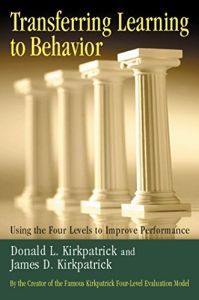
Transferring Learning to Behavior

Using the Four Levels to Improve Performance

Berrett-Koehler, 2005 المزيد...

Buy the book


Editorial Rating

8

getAbstract Rating

  • Innovative
  • Applicable

Recommendation

In many companies, employees run from one training seminar to the next. That’s because executives hire high-powered consultants who recommend training programs to improve performance and bolster profits. However, without the proper philosophical approach and practical execution, training can have negligible bottom-line results and the only one who really profits is the consultant. More than 10 years ago, author Don Kirkpatrick wrote a groundbreaking book on the "four levels" of training evaluation. This time, Kirkpatrick and his son, James, have collaborated on a book that will help any company maximize the results of its training program. If writing big checks to consultants for minimal results is your idea of fun, don’t read any further. But if, like most executives, you believe in getting a healthy return on your training investment, getAbstract highly recommends this concrete approach.

Summary

Evaluate Your Training Program: Does It Lead to Better Execution?

A basketball coach can diagram plays on the blackboard, but if his players don’t execute, the strategy is doomed. The same principles apply to evaluating the merit and impact of business training programs. Executives who are new to this critical approach may find it daunting. Proceed carefully and become comfortable with each step before moving on. Evaluating training programs is challenging, time-consuming, and rarely black-and-white. Assess your programs based on these "four levels":

  1. "Reaction" - Gauge staffers’ reactions to seminars or programs, based on a pre-set standard. Be clear that management wants verbal and written feedback.
  2. "Learning" - Determine the extent of the learning that was accomplished by using written tests, and pre- and posttraining interviews. Do staffers have a new understanding of the ideas and methods taught? Are their skills and attitudes better?
  3. "Behavior" - Examine and quantify on-the-job behavioral change. Conduct before-and-after comparisons. Ask supervisors and co-workers...

About the Authors

Donald L. Kirkpatrick, Ph.D, professor emeritus at the University of Wisconsin, is the author of Evaluating Training Programs: The Four Levels. James D. Kirkpatrick, Ph.D., is a consultant for evaluation services.


Comment on this summary

More on this topic

Related Skills

التواصل بفعالية
Develop Team Members
التحول الرقمي
Drive Team Performance
Enable Digital Organization
تعزيز ثقافة الابتكار
Foster Team Culture
الموارد البشرية
الابتكار
قد بأخلاق
قيادة التخطيط التشغيلي
قيادة بشكل استراتيجي
قد نفسك
عِش بصحة
Manage Learning and Development
إدارة الفرق والأقسام
التعاون الرئيسي
إتقان المهارات الشخصية
النمو الشخصي
خطط واستراتيجيات مبيعاتك
المبيعات
المهارات الناعمة
Strengthen Team Collaboration
فهم الابتكار
فهم المنظمات
مهارات مكان العمل
القيادة
تشكيل الثقافة التنظيمية
كن أكثر إنتاجية
تحفيز الأداء التنظيمي
كن متعلمًا ذاتيًا
التواصل بشكل استراتيجي
إدارة تأثير قيادتك
الإدارة
فوّض بفعالية
تعزيز ثقافة التعلم
ازرع الإيجابية
إدارة علاقات الموظفين
Work Remotely
الوظيفة
فهم الدوافع
تعزيز التركيز على العميل
تسهيل توليد الأفكار الجماعية
كسب ثقة الناس
تنفيذ التدريب التنفيذي
إدارة للأعلى
Manage People and Talent
فهم أساليب القيادة
دعم مسيرة أعضاء فريق الدعم
ترجمة الاستراتيجية إلى عمل
إرشاد الموظفين
فهم التغيير التنظيمي
تنفيذ برامج التدريب
تطبيق التحفيز
إدارة فرق المبيعات
Practice Transformational Leadership
إعادة تأهيل وتطوير مهارات الموظفين
النجاح في وظيفة جديدة
Navigate Leadership Challenges
كن متدربًا
القيادة التنفيذية
تقدم في مسيرتك المهنية
بناء الأمان النفسي
قيادة التغيير بدون سلطة
التنقل في سياسات المكتب
إدارة التغيير
تعزيز تجربة الموظفين
تنفيذ برامج التدريب
حفز نفسك
القيادة من خلال التغيير
حفّز فريقك
تعزيز الشعور بالملكية لدى الآخرين
مارس قيادة الخادم
تحمل المسؤولية الشخصية
ضمان المساءلة في الفرق
قياس تأثير التعلم والتطوير