Saltar a navegação
Twisted Leadership
Book

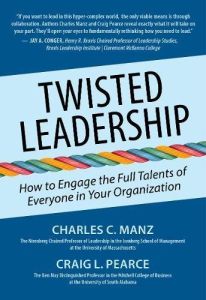
Twisted Leadership

How to Engage the Full Talents of Everyone in Your Organization

Maven House Press, 2017 mais...

Buy the book


Editorial Rating

8

getAbstract Rating

  • Well Structured
  • Overview
  • Concrete Examples

Recommendation

In many organizations, leadership has become a snarled-up mess. Prescriptions for improving leadership often rely on outdated common wisdom and the paradigm of layers of centralized autocrats. To overcome this “leadership disease,” say business professors Charles C. Manz and Craig L. Pearce, your company should move beyond conventional tactics and embrace “twisted leadership.” This strategy regards leadership as a “complex social process” that unites “self-leadership, SuperLeadership, shared leadership and socially responsible leadership.” Manz and Pearce advocate flexible managerial assignments and shared power. Although the authors indulge in jargon, their book is reader-friendly. It includes helpful charts, diagrams and illustrations as well as workbook pages at the end of each chapter for writing about the lessons you’ve learned. getAbstract recommends this not-so-twisted approach to executives seeking a fresh look at the issues inherent in leadership.

Summary

Leadership in a Tangle

Traditional hierarchical, centralized leadership creates organizational quagmires. Most suggestions for improving or replacing it come from so-called thought leaders who lack sufficient grounding in the discipline of leadership. Often, senior executives believe that becoming leaders makes them instantly smarter than their colleagues. Because of their position, they believe their ideas and intentions should take precedence over everyone else’s.

Over time, employees come to see these executives’ true character as bosses rather than as leaders. At that point, these executives – the embodiment of autocratic “leadership disease” – often move on to afflict new organizations. The typical business school curriculum helps these patterns recur. Professors teach their students how much influence those in authority wield over those below them. Many academics support “agency theory,” a paradigm suggesting that most people abuse whatever privileges they enjoy. As a result, people in authority feel they must keep a tight rein on their subordinates.

Other leadership theories – “transactional, transformational, visionary” and “charismatic...

About the Authors

Charles C. Manz, PhD, is the Nirenberg Chaired Professor of Leadership at the Isenberg School of Management at the University of Massachusetts. Craig L. Pearce, PhD, is the Ben May Distinguished Professor at the Mitchell College of Business at the University of South Alabama.   


Comment on this summary

More on this topic

Related Skills

التواصل بفعالية
تطوير خطة عمل
تطوير منتجات مبتكرة
Develop Team Members
مستقبل العمل
ريادة الأعمال
تعزيز ثقافة الابتكار
الموارد البشرية
ابتكر بشكل استراتيجي
الابتكار
قد بأخلاق
قيادة بشكل استراتيجي
عِش بصحة
اتخذ قرارات جيدة
إدارة التغيير
إدارة الاتصالات المؤسسية
الإدارة
التسويق
إتقان المهارات الشخصية
خطط واستراتيجيات مبيعاتك
خطط بشكل استراتيجي
تعزيز التنوع والإنصاف والشمول
المبيعات
تشكيل الثقافة التنظيمية
المهارات الناعمة
فهم المنظمات
مهارات مكان العمل
تطوير القادة
التواصل بشفافية
قيادة التغيير بدون سلطة
النمو الشخصي
تسهيل توليد الأفكار الجماعية
توجيه الناس
ابحث عن المعنى
القيادة من خلال التغيير
التعاون الرئيسي
اتخاذ القرارات الجماعية
تعزيز الشعور بالملكية لدى الآخرين
كن متعلمًا ذاتيًا
تعزيز التعاون
مارس قيادة الخادم
إدارة تأثير قيادتك
Strengthen Team Collaboration
حدد أهداف الفريق
Manage People and Talent
تحديد رؤية المنتج
مناهج القيادة الناشئة
قيادة بشكل شامل
Practice Transformational Leadership
التواصل بشكل استراتيجي
القيادة التنفيذية
بناء الأمان النفسي
التواصل مع الاستراتيجية المؤسسية
إدارة فرق المبيعات
فهم أساليب القيادة
Navigate Leadership Challenges
تحديد الغرض والرؤية والرسالة
تجرأ على أن تكون ضعيفًا
القيادة
تحديد القيم الأساسية
خلق شعور بالانتماء
Drive Team Performance
بناء تماسك الفريق
حفّز فريقك
التواصل مع الغرض المؤسسي
قد نفسك
Foster Team Culture
بناء رؤية مشتركة