


تخطي التنقل
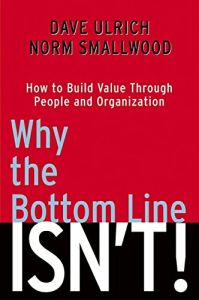
Why the Bottom Line Isn't!
Book

Why the Bottom Line Isn't!

How to Build Value Through People and Organizations

Wiley, 2003 المزيد...

Buy the book


Editorial Rating

6

Recommendation

Authors Dave Ulrich and Norm Smallwood use a bottom-line approach to assess various business intangibles that build actual value, such as a vision of future growth and improved capabilities. They present the keys to creating value by mustering intangible assets in a well-organized, highly structured way. Unfortunately, the intangible factors and the growth steps they discuss are well-traveled territory. But while other books may describe how to develop these "soft" qualities in a more intriguing or more original way, this volume handily dissects, quantifies and explains them step by step. Here, the vague is made concrete. Even a bean counter could understand the bottom line value of innovation, improved internal systems and enhanced organizational culture with this explanation. getAbstract.com recommends it to those who want to invest in intangible assets in a tangible setting, for very tangible reasons.

Summary

A Hard Line Approach to the Soft Stuff

To create increased market value, consider the "soft stuff" as important as the "hard stuff," because it increases your customers’, investors’ and employees’ confidence about the future. This value is based on the quality of your people and your organization - not just your products and physical assets. Such intangibles increase a firm’s market value. This increase is not tied only to profits, since firms in the same industry with the same profits can have very different values in the marketplace. The foundation of value may be positive financial performance, but intangible qualities increase that value. These intangibles represent the "value of a company not accounted for by current earnings."

Which Intangibles Build Value?

Baruch Lev, a New York University accounting professor, identified three major types of intangibles. Discovery intangibles are patents, trademarks and research and development. Organizational intangibles involve technology and systems. Human resource intangibles involve organizational culture as well as training and leading people. Other measures that matter most to investors, according to Ernst &...

About the Authors

David Ulrich, Ph.D., has co-authored ten books and more than 100 articles on management and has consulted with more than half of the Fortune 200 companies. He is on leave as a professor at the University of Michigan to serve as Mission President for the Church of Jesus Christ of Latter-Day Saints in Montreal. Norm Smallwood is cofounder of Results-Based Leadership and the co-author, with Ulrich, of Results-Based Leadership: How Leaders Build the Business and Improve the Bottom Line. He provides consulting services based on that book and this one.


Comment on this summary

More on this topic

Related Skills

كن أكثر إنتاجية
بناء الثقة
ابنِ شركتك الناشئة
التواصل بفعالية
تطوير خطة عمل
تطوير منتجات مبتكرة
التحول الرقمي
Enable Digital Organization
ريادة الأعمال
Execute Digital Operations
تعزيز ثقافة الابتكار
الموارد البشرية
الابتكار
قيادة التخطيط التشغيلي
قيادة بشكل استراتيجي
إدارة رأس المال
إدارة الفرق والأقسام
النمو الشخصي
تعزيز التنوع والإنصاف والشمول
المهارات الناعمة
مهارات مكان العمل
Strengthen Team Collaboration
التمويلات المؤسسية
إدارة تأثير قيادتك
وضع المواهب بشكل استراتيجي
خطط بشكل استراتيجي
Foster Team Culture
التواصل بشكل استراتيجي
ضمان السيولة
Practice Transformational Leadership
تبسيط سير العمل الخاص بك
تعزيز التعاون
ترجمة الاستراتيجية إلى عمل
تشكيل الثقافة التنظيمية
ابتكر بشكل استراتيجي
Build Digital Culture
تعزيز تجربة الموظفين
الاستفادة من مجموعات موارد الموظفين
قد نفسك
الإدارة
توجيه الناس
تحديد رؤية المنتج
Develop Team Members
القيادة
تنفيذ المرونة
Drive Team Performance
Manage People and Talent
تحديد الغرض والرؤية والرسالة
تطوير المنظمة
خطط واستراتيجيات للنمو
استفد من نقاط قوتك
القيادة التنفيذية
بناء رؤية مشتركة
تحفيز الأداء التنظيمي
إدارة رأس المال الفكري