

Ignorer la navigation
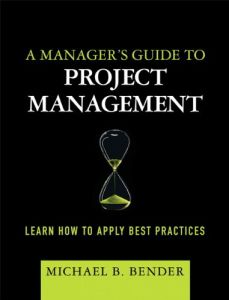
A Manager's Guide to Project Management
Book

A Manager's Guide to Project Management

Learn How to Apply Best Practices

FT Press, 2009 plus...

Buy the book


Editorial Rating

6

getAbstract Rating

  • Applicable

Recommendation

Though Michael Bender aims to be clear, tension is at the heart of his project management book. He doesn’t want to overdo commonly covered material, but he also doesn’t want to leave out any key terms or meaningful details. At times, this can lead to death by subtitles, where he introduces a series of topics but stops short of articulating their full meaning or import. To be fair, he shows project management for what it is – not a small city within an organization but a huge, at times overwhelming, continent inside a company. Even at its most difficult, the book gives senior managers a feel for the layers of complexity in the world of projects. Bender, who views projects as the holy grail of organizational value, tells managers how to aid and support them. He sensitizes leaders to the helpful or harmful ripple effects that their decisions have on organizational culture. getAbstract recommends this as a reference book for senior executives. It isn’t light or easy to swallow, but taken in pieces, it might save you from project indigestion.

Summary

Projects and the “Executive’s Role”

Projects are a fixture in the corporate landscape. They can “add value to an organization”; in fact, value is their primary concern. Project managers draw from a deep, well-defined set of tools with a long history. So why do so many projects come in over budget, miss deadlines or flounder? At least part of the problem starts at the top with the influence of senior managers. Given a bad cultural climate, a political quagmire or the wrong environment, some projects never take off, let alone land. Managers must be aware of these common problems that plague projects:

  • “The project du jour” – When priorities change too often, people don’t know where to put their energy, and projects can languish.
  • “The warm-body syndrome” – When an executive wants to push a project, one common move is to “grab the next warm body” and put him or her on the task. This doesn’t necessarily help the task, especially if the person is not well-suited for it.
  • “Project work” conflicting with “real jobs” – Some people see projects as an “ancillary” distraction, not integral to the fabric of their...

About the Author

30-year project management veteran, Michael Bender is CEO of Ally Business Developers.


Comment on this summary

More on this topic

Related Skills

AI Transformation
Wirksam kommunizieren
Unternehmensfinanzen
Businessplan entwickeln
Develop Financial Literacy
Develop Team Members
Unternehmen entwickeln
Besser denken
Digitale Transformation
Baubranche
Drive AI Transformation
Investitionen und M&A managen
Entrepreneurship
Execute Digital Operations
Personalwesen
Innovation
Führung
Gute Entscheidungen treffen
Supply-Chain-Abläufe managen
Markt-Insights nach Branchen
Navigate Leadership Challenges
Finanzperformance planen
Produktion und Logistik
Soft Skills
Innovation verstehen
Berufliche Kompetenzen
Teamgrenzen managen
Persönliche Entwicklung
Privat Finanzen planen
Aufgaben delegieren
Zeit managen
Projektzeitpläne managen
Unternehmensziele setzen
Change verstehen
Scrum anwenden
Transparent kommunizieren
Arbeitsabläufe straffen
Ressourcen zuweisen
Probleme lösen
Risiken managen
Innovation organisieren
Produktstrategie entwickeln
Baubranche Herausforderungen
Produktinnovation managen
Diskussionen moderieren
Mit Stakeholdern kommunizieren
Strengthen Team Collaboration
Organisationen verstehen
Talente strategisch einsetzen
Gruppenentscheidungen treffen
Drive Team Performance
Manage People and Talent
Von unten führen
Produktiver werden
Ambidextrie nutzen
Organisation agil machen
Budgetieren
Rollen definieren
Strategisch denken
Unternehmensperformance steigern
Organize for AI
Innovative Produkte entwickeln
Investitionsprojekte bewerten
Kapital verwalten
Management
Choose AI Priorities
Accountability sicherstellen
Teamziele setzen
Wandel von unten anstoßen
Change managen
Strategie umsetzen
Executive Leadership
Teams und Abteilungen managen
Durch Change führen
Teamagilität steigern
Produktentwicklung vorantreiben
Operative Planung leiten
Ressourceneinsatz optimieren
Projektrisiken managen
Unternehmensstrategie kommunizieren
Funktionsübergreifend zusammenarbeiten
Strategisch innovieren
Projekt-Stakeholder managen
Projektumfang und -budget managen
Projektressourcen managen
Kosten analysieren und steuern
Outsourcing und Offshoring nutzen
Ziele setzen und erreichen
Finanzperformance steuern
Projekte planen und umsetzen
Zusammenarbeit meistern
Strategisch führen
Strategisch kommunizieren
Strategisch planen
Projekte managen
Investment-Portfolio verwalten