Navigation überspringen
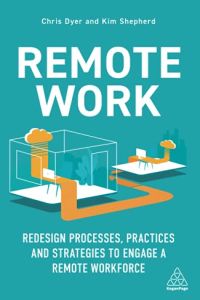
Remote Work
Book

Remote Work

Redesign Processes, Practices and Strategies to Engage a Remote Workforce

Kogan Page, 2021 Mehr

Editorial Rating

8

getAbstract Rating

  • Innovative
  • Engaging
  • Inspiring

Recommendation

Are formal workplaces still relevant? American entrepreneurs Chris Dyer and Kim Shepherd say that the most successful companies, post-pandemic, will eschew offices and embrace virtual work through remote or hybrid teams. If done right, they argue, offering remote options has rewards, including attracting a higher level of talent and achieving better performance. By going remote, rather than rewarding people for having great personalities or spending time in the office, you focus on what really matters: results.

Summary

Remote work is a sustainable business strategy.

Before the COVID-19 pandemic, the idea of having remote staffers alarmed many business leaders. For example, Yahoo ended its work-from-home option in 2013. Although the move only succeeded in pushing good people away from the company, a host of CEOs saw the reverse as proof-positive that having remote employees simply didn’t work. With the rise of COVID-19, however, millions of people suddenly shifted to working from home. Surprising the skeptics, many workers enjoyed their remote arrangements, and employers found that workers remained productive out of the office.

Authors Chris Dyer and Kim Shepherd say they could have predicted the success of virtual work. They’ve run thriving companies with remote workforces for years. And, they’ve learned that shifting to remote work can pay big dividends. Going virtual helps break your organization free of old, unhelpful structures, such as top-heavy hierarchies, pricey office space, and command-and-control mind-sets.

Shepherd’s recruiting firm was on the brink of failure after the September 11, 2001, terrorist...

About the Authors

Chris Dyer is the founder and CEO of PeopleG2, a background check and intelligence firm. Kim Shepherd is a frequent keynote speaker and former CEO of Decision Toolbox, a provider of recruiting solutions.


Comment on this summary

More on this topic

Related Skills

AI Transformation
Kreativ sein
Emotionale Intelligenz entwickeln
Anpassungsfähigkeit steigern
Selbstvertrauen aufbauen
Karriere
Wirksam kommunizieren
Digitale Transformation
HR Fallstudien
Enable Digital Organization
Personalwesen
Innovation
Ethisch führen
Strategisch führen
Gut leben
Gute Entscheidungen treffen
Unternehmenskommunikation managen
Manage Learning and Development
Performance managen
Management
Marketing
Zusammenarbeit meistern
Navigate Leadership Challenges
Persönliche Entwicklung
Karriere planen
Diversity, Equity & Inclusion fördern
Soft Skills
Digitalkompetenz aufbauen
Understand AI
Innovation verstehen
Teamzusammenhalt stärken
Zeit managen
Growth Mindset entwickeln
Berufliche Kompetenzen
Unternehmens-Purpose kommunizieren
Innovationskultur fördern
Employee Experience verbessern
Transparent kommunizieren
Kulturelle Trends entdecken
Herausforderungen überwinden
Motivation verstehen
Inklusive Kultur schaffen
Eigenes Wohlbefinden stärken
In Unternehmenskultur zurechtfinden
Build Digital Culture
Annahmen hinterfragen
Probleme lösen
Drive Team Performance
Eigene Stärken einsetzen
Demut üben
Authentisch sein
Hybrid oder remote führen
Emotionen verstehen
Unternehmenskultur Fallstudien
Talente strategisch einsetzen
Work-Life-Balance finden
Führungsansätze verstehen
Mitarbeiterleistung steigern
Understand AI Impact on Work
Büropolitik meistern
Neue Arbeitsmodelle
Soziale Kompetenzen entwickeln
Kommunikation verstehen
Neue Arbeitstechnologien
Psychologische Sicherheit fördern
Verletzlichkeit zeigen
Executive Leadership
Sozialverhalten verstehen
Zukunft der Arbeit
Besser denken
Tech-Impact auf Arbeit
Kreativität verstehen
Flexible Arbeitszeitmodelle anbieten
Skills Gaps identifizieren
Eigene Stärken erkennen
Team motivieren
Strengthen Team Collaboration
Virtuell zusammenarbeiten
Eigene Kompetenzen einschätzen
Menschliches Verhalten verstehen
Führungswirkung steuern
Sich selbst führen
Teamdynamik verstehen
Kulturelles Bewusstsein entwickeln
Servant Leadership praktizieren
Führung
Kundenorientierung fördern
Understand Organizational Behavior
Unternehmenskultur gestalten
Manage People and Talent
Foster Team Culture
Produktiver werden
Selbstwahrnehmung entwickeln
Organisationen verstehen
Sich selbst verstehen
Work Remotely
Unternehmenskultur beeinflussen
Persönlichkeitstypen verstehen