
Navigation überspringen
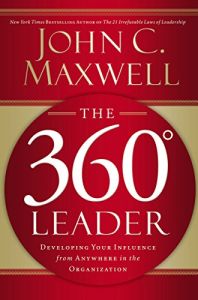
The 360° Leader
Book

The 360° Leader

Developing Your Influence from Anywhere in the Organization

Thomas Nelson, 2006 Mehr

Buy the book


Editorial Rating

8

getAbstract Rating

  • Innovative
  • Applicable

Recommendation

Frequent author John C. Maxwell applies his career counseling formula to another aspect of leadership: how people in the middle of large organizations can add to their company's leadership equation. His popular books rely on long lists of myths, challenges, principles, rules or values. Each one is identified, numbered (Maxwell is a firm believer in the power of numerical orderliness) and accompanied by an example or uplifting story - often making it unclear whether the book is inspirational, instructional or both. In practice, will people refer to these lists, or simply draw from Maxwell's major concepts? Although leadership defies a static definition, getAbstract believes this book may come in handy for enlightened senior and middle managers, as well as for those who are involved in developing up-and-coming managers.

Summary

Lead from the Middle

Most organizations are hierarchical and follow a top-down leadership approach. But in actuality, 99% of all leadership decisions come from the middle of an organization. This presents an opportunity for most people to lead, so you don't have to be a senior executive to make an impact. People can lead from any position in an organization: from the bottom up, top down or across. Those who have the ability to lead in all three dimensions are called "360-degree leaders." They can influence people located anywhere in the organization.

These 360-degree leaders master three basic ways to exert influence. They can "lead up" the hierarchy by working with their supervisors; they can "lead across" the organization's structure by working with their colleagues; and they can "lead down" the hierarchy by directing and motivating their subordinates. In the process, they also need to overcome false perceptions about leadership.

People follow leaders for five reasons:

  1. The leader commands the top position in the hierarchy.
  2. The leader has a relationship with subordinates unrelated to status.
  3. The employee...

About the Author

John C. Maxwell is an expert on leadership. He founded Injoy Stewardship Services and other leadership development organizations. He has written more than 40 books, including Winning with People, Thinking for a Change and Developing the Leader Within You.


Comment on this summary

  • Avatar
  • Avatar
    A. G. 4 years ago
    This gives a comprehensive advice how to become 360 leader. Leading in this way is not only important for the organization but also for the people working in it. It create an excellent opportunity to have good relations with colleagues across the organization.
  • Avatar
    J. H. 9 years ago
    average summary
  • Avatar
    Z. E. 9 years ago
    Great read!

More on this topic

By the same author

    Related Skills

    Emotionale Intelligenz entwickeln
    Anpassungsfähigkeit steigern
    Karriere
    Wirksam kommunizieren
    Digitale Transformation
    Enhance Cybersecurity
    Innovationskultur fördern
    Personalwesen
    Innovation
    Strategisch führen
    Gut leben
    Change managen
    Manage Learning and Development
    Management
    Zusammenarbeit meistern
    Talente strategisch einsetzen
    Diversity, Equity & Inclusion fördern
    Organisationen verstehen
    Berufliche Kompetenzen
    Minderheiten als Verbündeter unterstützen
    Aufgaben delegieren
    Drive Team Performance
    Von unten führen
    Work Remotely
    Mitarbeiterentwicklung unterstützen
    Fragen stellen
    Durch Change führen
    Transparent kommunizieren
    Interne Mobilität fördern
    Führungskräfte entwickeln
    Andere unterstützen
    Sich selbst führen
    Kundenorientierung fördern
    Selbstbewusst auftreten
    Positiv denken
    Eigenverantwortung fördern
    Employee Resource Groups nutzen
    Strategisch kommunizieren
    Sich selbst verstehen
    Karriere voranbringen
    Mentee sein
    Dankbarkeit üben
    Grenzen setzen
    Neugierig sein
    Executive Leadership
    Inklusive Kultur schaffen
    Selbstwahrnehmung entwickeln
    Build Security Culture
    Soziale Kompetenzen entwickeln
    Persönliche Entwicklung
    Ethisch führen
    Vertrauen gewinnen
    Inklusiv führen
    Soft Skills
    Ideenfindung moderieren
    Navigate Leadership Challenges
    Team motivieren
    Mentor sein
    Als weibliche Führungskraft vorankommen
    Manage People and Talent
    Führungswirkung steuern
    Growth Mindset entwickeln
    Sinn finden
    Employee Experience verbessern
    Servant Leadership praktizieren
    Foster Team Culture
    Persönliche Reputation managen
    Teamzusammenhalt stärken
    Büropolitik meistern
    Zugehörigkeitsgefühl fördern
    Develop Team Members
    Wandel von unten anstoßen
    Practice Transformational Leadership
    Authentisch sein
    Funktionsübergreifend zusammenarbeiten
    Strengthen Team Collaboration
    Führungsansätze verstehen
    Lernkultur schaffen
    Offene Kommunikation fördern
    Verantwortung übernehmen
    Empathie und Mitgefühl zeigen
    Unternehmenskultur beeinflussen
    Menschen coachen
    Psychologische Sicherheit fördern
    Führung
    Verletzlichkeit zeigen
    Starke Beziehungen aufbauen
    Demut üben