
Перейти к содержанию сайта
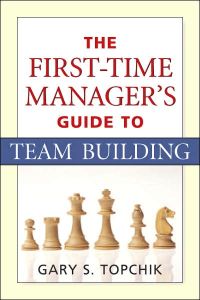
The First-Time Manager's Guide to Team Building
Book

The First-Time Manager's Guide to Team Building

AMACOM, 2007 подробнее...

Buy the book


Editorial Rating

6

getAbstract Rating

  • Applicable

Recommendation

Every team manager approaches a new assignment with some nervous energy. First-time managers are often just plain nervous. Gary Topchik helps rookie team leaders with the basic information they need to make their first assignments successful. The chapters are brief and tightly focused on a single topic. The writing flows conversationally, and includes helpful lists, step-by-step instructions and some illustrative stories. The tone focuses on positive advice rather than possible mistakes. For such a brief book, the author covers a surprising range of helpful topics. getAbstract advises captains on their maiden voyages to stow this guide in their kits.

Summary

Building the Team

If you asked proficient businesspeople to name the five reasons that their best team experiences worked so well, their lists would probably include these factors:

  1. “Clearly defined roles and responsibilities for each team member.”
  2. “Open and honest communication among team members, and between the manager and team.”
  3. “A supportive and knowledgeable manager.”
  4. “Ability to make decisions freely.”
  5. “Rewards and recognition” for meeting or exceeding goals.

As a first-time manager (or even a seasoned one), ask yourself if you see these characteristics in your team. If not, how can you foster them and use them to strengthen your squad?

Not every set of people working together is a team. A team is a defined group of individuals who work together toward a specific, shared objective. The team should consist of people whose combined talents contribute to the completion of that target. Teams require between five and 10 members, so they are big enough to include all the talents and skills needed to meet their goals, but not so big that they tend to divide instinctively...

About the Author

Gary S. Topchik is the CEO of a consulting firm that focuses on management, leadership, and team building. He is the author of several books on management, including Managing Workplace Negativity and The Accidental Manager.


Comment on this summary

  • Avatar
  • Avatar
    S. S. 3 years ago
    Excellent contents for team building
  • Avatar
    P. S. 3 years ago
    Good
  • Avatar
    B. P. 3 years ago
    good

More on this topic

Related Skills

AI Transformation
Kreativ sein
Anpassungsfähigkeit steigern
Wirksam kommunizieren
Innovationskultur fördern
Personalwesen
Innovation
Ethisch führen
Gut leben
Gute Entscheidungen treffen
Change managen
Manage Learning and Development
Management
Soziale Kompetenzen entwickeln
Persönliche Entwicklung
Vertriebsstrategie entwickeln
Diversity, Equity & Inclusion fördern
Vertrieb
Unternehmenskultur beeinflussen
Organisationen verstehen
Berufliche Kompetenzen
Offene Kommunikation fördern
Work Remotely
Ideenfindung moderieren
Mitarbeiterentwicklung unterstützen
Mentor sein
Führungskräfte entwickeln
Leverage AI for Management
Zusammenarbeit meistern
Teamziele setzen
Coachingprogramme umsetzen
Dankbarkeit üben
Rollen definieren
Kreativität fördern
Kreativ zusammenarbeiten
Experimentieren fördern
Growth Mindset entwickeln
Projekte managen
Gruppenentscheidungen treffen
Andere unterstützen
Kommunikation im Team managen
Sich selbst führen
Executive Leadership
Practice Transformational Leadership
Soft Skills
Persönlichkeitstypen verstehen
Führungswirkung steuern
Wandel von unten anstoßen
Durch Krisen führen
Gemeinsame Vision definieren
Diskussionen moderieren
Teams und Abteilungen managen
Teamagilität steigern
Führungsansätze verstehen
Navigate Leadership Challenges
Hybrid oder remote führen
Menschen coachen
Develop Team Members
Führung
Teamleistung verbessern
Accountability sicherstellen
Eigenverantwortung fördern
Teamzusammenhalt stärken
Transparent kommunizieren
Zugehörigkeitsgefühl fördern
Inklusiv führen
Teamgrenzen managen
Verletzlichkeit zeigen
Demut üben
Strengthen Team Collaboration
Durch Change führen
Psychologische Sicherheit fördern
Aufgaben delegieren
Team motivieren
Teamdynamik verstehen
Vertriebsteams managen
Manage People and Talent
Servant Leadership praktizieren
Drive Team Performance
Foster Team Culture