
Navigation überspringen
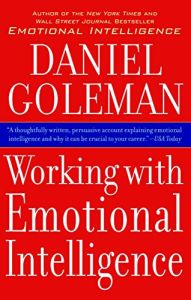
Working With Emotional Intelligence
Book

Working With Emotional Intelligence

Bantam, 2000
First Edition: 1998 Mehr

Buy the book


Editorial Rating

9

getAbstract Rating

  • Innovative
  • Applicable

Recommendation

Author Daniel Goleman applies the rules of "emotional intelligence" to the workplace. Being intelligent counts in the world of business, but the interpersonal smarts referred to as "emotional competencies" count even more. Goleman, who wrote the seminal book Emotional Intelligence, underscores his conclusion with numerous studies and anecdotes, showing that those who have "people skills" are likelier to succeed. Skills that help teams collaborate are increasingly important as coalition building emerges as the model for getting things done. Goleman includes thorough guidelines for implementing effective "EQ" training programs. Companies that train managers in "emotional competencies" reap concrete business benefits: increased sales, more seamless teamwork, and constant improvement based on analysis and feedback. getAbstract highly recommends this well-written book on how understanding feelings adds to your bottom line.

Summary

People Who Like People

Managers today worry about losing their jobs – and with good reason. The days of working 30 years for one company and then retiring are done. An advanced degree and technical know-how do not guarantee that you will keep your job. Evidence reveals that today's employers seek new hires who have better listening skills, who accept criticism well, whose personalities exhibit overall situational flexibility and who are self-directed. Companies now need employees with "people skills." In the modern workforce, "emotional intelligence" or "EQ," offers a more complete measure of professional success than IQ. Many studies show that IQ without an emotional component is not enough for success. But, in contrast to cognitive intellect, you can improve your emotional intelligence.

The emotional competencies necessary for success include the ability to self-start, grasp personality-based politics and get along with others. Companies prize these skills more than know-how. Studies probing different angles of what you need to be a "top performer" all yield the same startling result: most companies feel that interpersonal skills are more important to job excellence...

About the Author

Daniel Goleman received his Ph.D. from Harvard and is Co-Director of the Consortium for Research on Emotional Intelligence in Organizations at Rutgers University. He is the author of many books, including the groundbreaking Emotional Intelligence.



Comment on this summary

  • Avatar
  • Avatar
    p. h. 1 decade ago
    The observations in getAbstract are totally on target. I have worked in the corporate world (public and private sectors) for over thirty years. Most of the positions I have held have been in fortune 400 companies (or better) at a senior executive level.
    Pepperdine University turned me on to the work in September 2011. Once it arrived I read it from cover to cover without stopping. I found the case studies and related leadership dilemmas relevant to the semiotic domains of U.S. corporations and our government in modern times.
    PHuff

More on this topic

Related Skills

Develop Team Members
Drive Team Performance
Innovationskultur fördern
Foster Team Culture
Personalwesen
Innovation
Ethisch führen
Gut leben
Manage Learning and Development
Performance managen
Management
Zusammenarbeit meistern
Diversity, Equity & Inclusion fördern
Berufliche Kompetenzen
Mentale Gesundheit verbessern
Strategisch führen
Employee Engagement steigern
Prospects konvertieren
Mentor sein
Strengthen Team Collaboration
Durchhaltevermögen entwickeln
Veränderungen annehmen
Vertrauen gewinnen
Impostor-Syndrom überwinden
Persönliche Entwicklung
Menschliches Verhalten verstehen
Resilienter werden
Manage People and Talent
Coachbar sein
Produktiver werden
Sinn finden
Lernkultur schaffen
Denken verstehen
Durch Krisen führen
Vertrieb
Gespräche führen
Andere beeinflussen
Achtsamkeit üben
Kommunikation verstehen
Sozialverhalten verstehen
B2B-Vertrieb meistern
Fokus stärken
Eigenes Wohlbefinden stärken
Wirksam kommunizieren
Employee Resource Groups nutzen
Besser denken
Herausforderungen annehmen
Gute Entscheidungen treffen
Anpassungsfähigkeit steigern
Selbstbewusst auftreten
Schwierige Gespräche führen
Eigene Stärken erkennen
Mitarbeiterbeziehungen managen
Navigate Leadership Challenges
Employee Experience verbessern
Grenzen setzen
Flexibel sein
Büropolitik meistern
Unsicherheit überwinden
Practice Transformational Leadership
Psychologische Sicherheit fördern
Stress managen
Selbstzweifel überwinden
Nonverbal kommunizieren
Soziale Signale erkennen
Authentisch sein
Empathie und Mitgefühl zeigen
Zugehörigkeitsgefühl fördern
Executive Leadership
Starke Beziehungen aufbauen
Herausforderungen überwinden
Selbstvertrauen aufbauen
Selbstbeherrschung entwickeln
Soziale Kompetenzen entwickeln
Servant Leadership praktizieren
Soft Skills
Emotionen verstehen
Führungswirkung steuern
Emotionen regulieren
Verletzlichkeit zeigen
Führung
Rapport mit Prospects aufbauen
Selbstwahrnehmung entwickeln
Emotionale Intelligenz entwickeln
Sich selbst verstehen
Sich selbst führen