Skip navigation
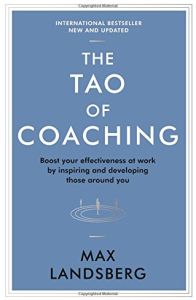
培训之道
书籍

培训之道

通过鼓舞培养周围的人提升工作效能

Profile Books, 2015
第一版本: 1997 more...

购买此书

评级

8

关键特征

  • 实用性

导读荐语

这本畅销书是富有30年经验的培训专家马克斯·兰茨贝格更新加印的第三版。他将自己倡导的苏格拉底式提问培训组织成简洁数章,每章阐述一个主要概念。每章都以漫画与名言警句开头,以图表总结相关问题与解决方法结尾。此外还有多份附录提供给管理者特定的评估工具与练习项。兰茨贝格教授的是在职场生活中取得成就的真材实料。可喜的是,本书并不繁重,而是轻松易读。作者帮助你做一对一心理技能锻炼,同时避免不知不觉落入医疗咨询的范围。getAbstract向想成为优秀培训师,或正在被培训的读者推荐兰茨贝格这本启发性强、简单实用的“工具箱”式图书。

浓缩书

如何成为一名优秀的培训师

你能够学会培训员工的核心技能,并且不断熟能生巧。合理的培训不仅有益于培训者,对参加培训的员工也有好处。培训可以教会他们许多技能,包括不断提高的交流能力以及团队建设的能力。想要成为一名优秀的培训者,就要明白以下的20个道理:

1.“无人追随,何以为领导者”

成功的管理者具有培养、发展、挽留有贤之士的能力。大多数的大企业正在取消等级制度,“精简层级”,争先恐后地吸引和培养最有前途的职工。

员工们知道一些公司的培训文化非常浓厚,他们更愿意为这样的企业工作。市场、技术快速变化,你不能再等着依靠每年的培训研讨会使团队的成员追上时代的脚步。从长远的角度来看,每天培养他们的能力节省了你大量的宝贵时间。

仅仅告诉别人怎么做的方式已经过时了。你必须对职员进行培训和指导。决心要成为优秀的培训者和指导者的管理人也会加强对自己的培训。团队的成员应该互相传授、互相学习新的优秀技能以及良好的习惯。如果你成为一名优秀的培训者,人们会愿意为你工作,与你合作,你的人际关系也会不断改善。

2.“要问——不要总是说”

着急忙自己事的管理者绝不可能成为一名优秀的教练。一名优秀的培训者会问员工合适的问题,引导参加培训的员工找到他们自己关于工作、期限以及能力的最佳答案。

关于作者

马克斯·兰茨贝格(Max Landsberg)高管培训师,除本书外,还是《激励之道》(The Tao of Motivation)、《领导力工具》(The Tools of Leadership)和《山的召唤》(The Call of the Mountains)的作者。


恭喜你又学完了一篇干货!复述、评论及做笔记是对知识最大的致敬↓

猜你喜欢

相关技能

Advance Your Career
AI Transformation
Become More Adaptable
Become More Productive
Career
Develop a Business Plan
Develop Innovative Products
Digital Transformation
Enable Digital Organization
Enhance Customer Experience
Enhance Employee Experience
Entrepreneurship
Foster a Culture of Innovation
Human Resources
Lead Ethically
Lead Yourself
Leverage AI for Leadership
Live Well
Make Good Decisions
Manage Change
Manage Learning and Development
Manage Performance
Management
Marketing
Navigate Leadership Challenges
Optimize Workforce Performance
Place Talent Strategically
Plan and Strategize Your Sales
Promote Diversity, Equity, and Inclusion
Sales
Understand Innovation
Understand Organizations
Workplace Skills
Apply Design Thinking
Use AI for Coaching and Development
Ensure Accountability in Teams
Gain People's Trust
Show Empathy and Compassion
Conduct Performance Reviews
Foster Collaboration
Understand Creativity
Adapt Communication Style
Manage Teams and Departments
Master Business Etiquette
Master Interpersonal Skills
Master Collaboration
Set Performance Standards
Drive Change Without Authority
Foster Open Communication
Navigate Office Politics
Apply Gamification
Collaborate Across Functions
Manage Team Boundaries
Be Emotionally Intelligent
Become a Self-Driven Learner
Support Internal Mobility
Understand Human Behavior
Embrace Divergent Thinking
Lead through Change
Understand Communication
Understand Learning
Enhance Team Agility
Promote Creativity
Innovation
Support Team Members’ Careers
Build Team Cohesion
Excel at Conversations
Improve Team Performance
Motivate Your Team
Build Digital Culture
Implement Coaching Programs
Manage Sales Teams
Build Psychological Safety
Communicate Effectively
Manage Team Communication
Collaborate Creatively
Executive Leadership
Facilitate Group Ideation
Lead Inclusively
Integrate Customer Feedback
Define Roles
Manage Your Leadership Impact
Mentor Employees
Build a Shared Vision
Promote Generational Inclusion
Become a Mentee
Build an Inclusive Culture
Drive Team Performance
Develop Self-Awareness
Support Others
Lead Remote or Hybrid Teams
Understand Social Behavior
Cultivate Curiosity
Overcome Challenges
Set Business Goals
Develop Team Members
Identify Skills Gaps
Set and Achieve Goals
Understand Cultural Differences
Understand Organizational Culture
Understand Motivation
Coach People
Personal Growth
Reskill and Upskill Employees
Strengthen Team Collaboration
Succeed in a New Job
Cultivate a Growth Mindset
Delegate Effectively
Communicate Across Cultures
Increase Your Cultural Awareness
Ask Questions
Take Other Perspectives
Develop Your Thinking Skills
Promote Ethnic Inclusion
Manage Up
Challenge Assumptions
Solve Problems
Discover Global Perspectives
Understand Organizational Behavior
Leadership
Listen Well
Manage People and Talent
Be Creative
Soft Skills
Foster Team Culture
Shape Organizational Culture
Practice Humility
Practice Transformational Leadership
Develop Leaders
Set Team Goals
Promote a Learning Culture
Provide Feedback
Understand Team Dynamics
Navigate Workplace Culture
Practice Servant Leadership
Learn from Feedback
Be Coachable
Understand Personality Types