




Right-click on the code to copy the image.
Note: On an ASP portal, the link behind the code is portal specific!
导读荐语
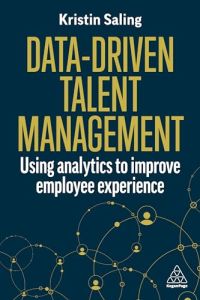
提到个性化的员工体验,你第一个想到的大概不会是美国陆军。然而数据分析专家克里斯汀·萨林(Kristin Saling)却表示,这支庞大的军队在这方面做了很多工作。萨林的这本书生动有趣,用读者喜闻乐见的流行文化来阐释复杂概念,有力论证了如何运用数据深入理解员工,并以此为基础打造具备认知多样性的团队,产出非凡的创新成果。凭借清晰的术语和大量翔实的案例,《如何用数据驱动人才管理?》(Data-Driven Talent Management)堪称是一流的数据分析入门读物。哪怕是老道的人才管理者也能从这本书中获得深刻启发。
浓缩书
关于作者
克里斯汀·萨林(Kristin Saling)现任美国陆军人力资源司令部(United States Army Human Resources Command)创新单元(Innovation Cell)总监。在此之前,她曾担任美国陆军人力与后备事务助理部长办公室(the assistant secretary of the Army for Manpower and Reserve Affairs)的人事分析副总监,以及陆军人才管理专项小组(Army Talent Management Task Force)的首席分析官。
猜你喜欢
同主题延伸阅读
相关技能

Corporate Finances

Develop Innovative Products

Develop Your Thinking Skills

Digital Transformation

Discover and Understand Digital Technologies

Future of Work

Drive AI Transformation

Enable Digital Organization

Enhance Employee Experience

Entrepreneurship

Executive Leadership

Human Resources

Lead Operational Planning

Lead Strategically

Lead Yourself

Leadership

Leverage AI for Business Strategy

Leverage AI for Marketing

Leverage AI for Product Development

Leverage AI for Sales

Live Well

Make Good Decisions

Manage People and Talent

Manage Remuneration

Manage Teams and Departments

Management

Marketing

Personal Growth

Place Talent Strategically

Production and Logistics

Sales

Shape Organizational Culture

Soft Skills

Strengthen Your Digital Literacy

Understand Consumer Behavior

Use AI for Production & Supply Chain

Workplace Skills

Leverage AI for HR

Use AI for Process Optimization

Leverage AI Agents

Optimize Workforce Performance

Use AI for Demand Forecasting

Use AI for Financial Forecasting

Use AI for Generating Ideas

Develop Leaders

Emerging Work Technologies

Understand Team Dynamics

Use AI for Resource Planning

Leverage AI for Customer Experience

Understand AI

Use AI Ethically as a Leader

Promote Failure-tolerance

Use AI for Feature Prioritization

Drive Organizational Performance

Use AI for Marketing Analytics

Use AI for Proposals

Use AI for Sales Forecasting

Collaborate Creatively

Discover AI Vendors for HR

Manage Talent

Identify Skills Gaps

Drive Team Performance

Improve Team Performance

Measure AI Business Impact

Build Psychological Safety

Use AI with Company Knowledge

Manage Learning and Development

Be Creative

Use AI for Prospecting

Use AI for Personal Productivity

Discover AI Use Cases in the Consulting Industry

Use AI for Market Analysis

AI Transformation

Understand AI Capabilities and Limits

Use AI for Competitor Intelligence

Leverage AI for Finance

Plan AI Workforce Transformation

Reward Employee Contributions

Use AI for Writing & Communication

Drive AI Adoption in Teams

Build Team Cohesion

Protect Your Data and Privacy

Guide Teams Through AI Transition

Strengthen Team Collaboration

Measure L&D Impact

Motivate Your Team

Use AI for Customer Feedback Analysis

Use AI for Learning and Upskilling

Analyze User Data

Use AI for Performance Tracking

Use AI for Decision Support

Use AI for User Research

Understand Data

Use AI to Enhance Communication

Use AI for Skills Matching

Leverage AI in Your Daily Tasks

Use AI for Coaching and Development

Promote Creativity

Use AI for Learning & Development

Design Incentive Structures

Motivate Yourself

Think Analytically

Use AI for Sentiment Analysis

Leverage AI for Management

Manage Performance

Champion New Ideas

Discover AI Use Cases

Leverage AI for Leadership

Discover and Understand Data Analytics and Big Data

Understand AI Impact on Work

Foster Team Culture

Reskill and Upskill Employees

Innovation

Use AI for Data Analysis

Use AI for General Research

Use AI for Workforce Planning

Set and Track KPIs

Leverage L&D Technology

Use AI for Candidate Screening

Analyze Data

Foster a Culture of Innovation

Understand Motivation

Use AI for Talent Sourcing

Encourage Experimentation

恭喜你又学完了一篇干货!复述、评论及做笔记是对知识最大的致敬↓