
Skip navigation
执行战略
书籍

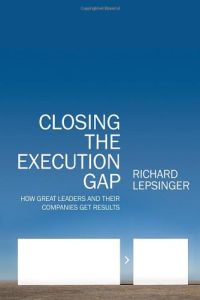
执行战略

高效执行力造就优秀的公司和领导者

Jossey-Bass, 2010 more...

评级

6

导读荐语

发明家托马斯·爱迪生曾警言,“缺乏执行力的愿景是一种空想。”公司总裁们经常热衷于规划愿景和战略,殊不知如果没有执行,一切愿景和战略都形同虚设,带不来任何效益。人力资源顾问理查德·莱普辛格对409家公司的高管们进行了调查,结果发现,许多公司的执行力都很糟糕,并因此而损失惨重。针对这一问题,他提出了一套行之有效的解决方案,其中涉及很多具有重要价值和借鉴意义的技巧、工具以及手段。单从写作风格而言,该书注重罗列事实,寓教于例,有些方面似乎是老生常谈,但莱普辛格在本书中提供了一套很好的解决方案,来帮助公司管理层提升员工的执行力。getAbstract竭力向各位公司领导人以及负责公司愿景规划和战略实施的经理们推荐莱普辛格的这部力作。此外,该书对人力资源行业的精英们也会大有裨益,是一本不可多得的好书。

浓缩书

执行力差距

对于企业而言,真正能够带来效益的是高效的执行力,而不是深谋远虑的领导人或者洋洋洒洒的战略计划。在社会经济状况正常的情况下,糟糕的执行力是一个亟待解决的问题;但是,在社会经济步履维艰的情况下,糟糕的执行力却是公司的致命缺陷。不能让员工如期完成工作(也就是执行不力)会毁掉一切周全完美的计划。人力资源顾问理查德`莱普辛格向来自不同行业的409位高管们提出了有关执行力的三个问题:

  1. 企业制订愿景和战略的能力与其最终取得商业成果的能力之间是否存在差距?
  2. 执行力高效的组织与执行力低下的组织之间的区别是什么?
  3. 企业领导人应该采取哪些措施来提升其弥合执行力差距的能力,以缩小其战略和战略执行之间的差距,进而获得商业成功?

调查结果显示,49%的被调查者认为他们的公司在战略与战略执行之间存在差距,在这些承认存在差距的被调查者中有64%的人认为其公司无法弥合这种差距。能够成功执行其战略的公司通常有以下“五座桥梁”来连接他们的目标和成果:1)高管们成功应对变革;2)所有经营部门和各级管理层的行动与决策高度协调配合;3)经理们的行为与公司价值观和首要目标保持一致;4)公司的组织结构有利于公司战略的实施;...

关于作者

理查德·莱普辛格(Richard Lepsinger),人力资源管理顾问,OnPoint公司总裁,与人合著了三本商务管理方面的书,包括《360度反馈的艺术与科学》。


恭喜你又学完了一篇干货!复述、评论及做笔记是对知识最大的致敬↓

猜你喜欢

相关技能

AI Transformation
Become More Adaptable
Communicate Effectively
Develop a Business Plan
Develop Team Members
Develop the Organization
Digital Transformation
Drive AI Transformation
Drive Project Management
Entrepreneurship
Execute Digital Operations
Human Resources
Innovation
Lead Ethically
Lead Strategically
Live Well
Manage Learning and Development
Navigate Leadership Challenges
Personal Growth
Place Talent Strategically
Plan and Strategize Your Sales
Promote Diversity, Equity, and Inclusion
Sales
Shape Organizational Culture
Soft Skills
Workplace Skills
Embrace Change
Promote Gender Inclusion
Become More Productive
Lead through Change
Lead Yourself
Create a Sense of Belonging
Enhance Team Agility
Drive Team Performance
Practice Servant Leadership
Support Internal Mobility
Manage Sales Teams
Drive Employee Engagement
Enhance Employee Experience
Leadership
Manage Teams and Departments

Drive AI Adoption in Teams
Motivate Your Team
Manage Team Boundaries
Leverage Employee Resource Groups
Understand Motivation
Foster Open Communication
Foster a Culture of Innovation
Build a Shared Vision
Delegate Effectively
Take Group Decisions
Make Good Decisions
Build Psychological Safety
Facilitate Group Ideation
Lead Inclusively
Manage Change
Implement Agility
Set Business Goals
Support Others
Manage People and Talent
Drive Organizational Performance
Plan and Execute Projects
Streamline Your Workflow
Foster Team Culture
Set and Achieve Goals
Lead Operational Planning
Take Personal Accountability
Improve Team Performance
Management
Communicate Transparently
Foster Ownership in Others
Ensure Accountability in Teams
Build Team Cohesion
Communicate Corporate Strategy
Strengthen Team Collaboration
Executive Leadership
Collaborate Across Functions
Translate Strategy into Action
Foster Collaboration
Master Collaboration