

跳过导航
组织架构决定成功
书籍

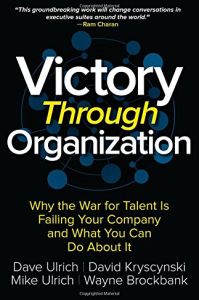
组织架构决定成功

企业为何在人才之争中落败以及如何挽救

McGraw-Hill, 2017 更多详情

购买此书

评级

8

关键特征

  • 实用性

导读荐语

本书的书名即表明,团队的力量大于个人。基于对全世界范围内三万两千人的调查分析,本书作者戴维·尤里奇,戴维·格里钦斯基,韦恩·布罗克班克和迈克尔·尤里奇证明,优秀的HR专业人才固然重要,但假如他们能够组成一个高效运行的HR部门,相对而言他们起到的作用就可以翻两番。过去三十多年里作者一直致力于开创性的“HR能力研究”(HRCS),本书代表着这一系列研究的最新成果,也给三部曲画上了完美的句号。人们认为,在HR领域,还没有谁的贡献能够超过戴维·尤里奇和布罗克班克。getAbstract相信企业领导者或HR专业人员——尤其那些没有读过前两卷的人——都会从这些长达30年的一手研究成果中获益良多。

浓缩书

为什么是人力资源?

HR工作之所以前所未有的重要,是因为他们能够重新塑造企业文化、驱动变革管理、招聘企业所需要的人才,进而从根本上协助CEO应对各种挑战。如今,HR领导者不仅要关心员工和外部客户,还要思考企业如何有效地“组建公司架构”进而获得成功。这意味着HR要确保人才都落实在最恰当的职位上,各自发挥应有的作用,同时也意味着要建立一个匹配的组织框架。

HR专业人员必须不断调整精进。要充分地了解当今的商业环境,他们就应该学习并且掌握事关企业成败的“社会、技术、环境、政治、经济和人口趋势”(STEPED)。 一旦有了这些背景知识的储备,他们就应该和其他企业领导进行“VUCA”讨论,其中包括:1)“易变性”,变革的速度和类型;2)“不确定性”,潜在的破坏因素发生的可能性以及什么时候发生;3)“复杂性”,破坏因素的复杂程度;4)“模糊性”,涉及的依赖因素,包括围绕现有挑战的模糊和晦涩因素。 HR管理人员应该通过识别企业的核心利益相关者——投资者、合作伙伴、内部管理人员、员工或者顾客——并了解他们的需要,由此来决定“创造何种价值”。 HR管理人员应该设法让大家围绕共同的目标进行奋斗——把员工与员工、员工与企业的利益相关者连接起来,激励他们,打造一种紧迫感,利用好企业的多元化和企业的包容性。高效的HR团队能够促使企业达成整体目标,而不仅仅是实现...

关于作者

戴维·尤里奇(Dave Ulrich)是RBL集团的合伙人,韦恩·布罗克班克(Wayne Brockbank)在密歇根大学的罗斯商学院任教,他们之间已经有几十年的协作经验。戴维·格里钦斯基(David Kryscynski)在杨百翰大学麦里特商学院任教;迈克尔·尤里奇(Mike Ulrich)是犹他州立亨茨曼商学院的教授,同时在HR领域提供很多咨询工作。


恭喜你又学完了一篇干货!复述、评论及做笔记是对知识最大的致敬↓

  • Avatar
  • Avatar
    Z. 6 年 前
    组织架构(Organizational Structure)是指,一个组织整体的结构。是在企业管理要求、管控定位、管理模式及业务特征等多因素影响下,在企业内部组织资源、搭建流程、开展业务、落实管理的基本要素。 <br>《企业内部控制应用指引第1号——组织架构》指出,组织架构是指企业按照国家有关法律法规、股东(大)会决议、企业章程,结合本企业实际,明确董事会、监事会、经理层和企业内部各层级机构设置、职责权限、人员编制、工作程序和相关要求的制度安排。[2]

猜你喜欢

相关技能

AI Transformation
Be Emotionally Intelligent
Become a Self-Driven Learner
Become More Productive
Build and Maintain Well-Being
Communicate Effectively
Corporate Finances
Develop Your Thinking Skills
Digital Transformation
Enable Digital Organization
Foster a Culture of Innovation
Foster Team Culture
Innovate Strategically
Innovation
Lead Ethically
Manage Performance
Master Collaboration
Optimize Workforce Performance
Plan Your Career
Promote Diversity, Equity, and Inclusion
Understand Innovation
Workplace Skills
Leverage AI for HR
Drive Organizational Performance
Retain Employees
Embrace Challenges
Leverage HR Technology
Reskill and Upskill Employees
Assess Your Skillset
Identify Skills Gaps
Lead Mergers and Acquisitions
Lead Through Crises
Leverage AI for Management
Conduct Employee Surveys
Develop the Organization
Develop Grit
Streamline Your Workflow
Leverage Ambidexterity
Communicate Strategically
Coach People
Drive Employee Engagement
Leadership
Manage Investment Portfolio
Management
Attract and Recruit Talent
Embrace Change
Manage Learning and Development
Adopt a Learning Habit
Develop Self-Awareness
Personal Growth
Collaborate Across Functions
Cultivate a Growth Mindset
Leverage Employee Resource Groups
Practice Humility
Manage Change
Build Your Resilience
Manage People and Talent
Shape Organizational Culture
Understand Human Resources Economics
Understand Social Behavior
Manage Risk
Develop Team Members
Manage Your Leadership Impact
Understand Organizational Change
Drive Investments and M&A
Enhance Employee Experience
Manage Remuneration
Develop Self-Mastery
Master Interpersonal Skills
Place Talent Strategically
Practice Transformational Leadership
Understand Organizational Culture
Become More Adaptable
Understand Yourself
Cultivate Flexibility
Executive Leadership
Build Psychological Safety
Drive Business Development
Practice Servant Leadership
Soft Skills
Plan Strategically
Advance Your Career
Lead Yourself
Navigate Uncertainty
Understand Human Behavior
Navigate Office Politics
Human Resources
Navigate Workplace Culture
Manage Teams and Departments
Dare to be Vulnerable
Lead Strategically
Overcome Challenges
Career
Understand Organizations
Advance as a Woman Leader
Drive Team Performance
Think Strategically
Gain People's Trust
Lead through Change
Manage Talent
Be Authentic
Create a Hiring Strategy
Navigate Leadership Challenges