




Summary availability: Worldwide
Clique com o botão direito no código para copiar a imagem.
Nota: Em um portal em ASP, o link atrás do código é específico do portal!
导读荐语
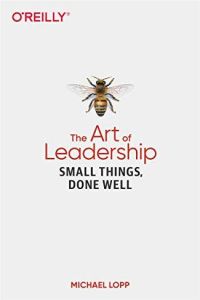
迈克尔·罗普从硅谷工程师转型成为了一名主管。他相信“将小事做好”这一理念对领导者的职业生涯至关重要。在这本由三部分或说“三幕”组成的回忆录中,作者讲述了他从网景(Netscape)、苹果(Apple)和斯莱克(Slack)一路走来的历程,讨论了作为管理者、主管及高管的不同意义。他鼓励所有的领导者,不论是新晋的管理者还是经验丰富的高管,都能在招聘、指派任务、举行会议、处理危机、控制流言等小事上亲历亲为。他的讲述甚至让乏味的话题也趣味横生。此外,他还在某一章节中介绍了若干无人胜出的情况,对于星际迷航(Star Trek)的粉丝来说,这些内容都十分有趣。
浓缩书
关于作者
迈克尔·罗普(Michael Lopp)曾作为工程师和商业领导者供职于斯莱克(Slack)、宝蓝(Borland)、网景(Netscape)、帕兰提尔(Palantir)、拼趣(Pinterest)和苹果(Apple)等公司。著有《管理人事》(Managing Humans),《第三版本》(Third Edition)和《作为极客》(Being Geek)。
猜你喜欢
同主题延伸阅读
相关技能

Advance Your Career

Be Emotionally Intelligent

Become More Adaptable

Build and Maintain Well-Being

Career

Communicate Effectively

Develop Team Members

Drive Team Performance

Foster a Culture of Innovation

Foster Team Culture

Human Resources

Innovation

Lead Strategically

Lead Yourself

Leadership

Make Good Decisions

Manage Learning and Development

Manage Risk

Manage Teams and Departments

Management

Master Collaboration

Optimize Workforce Performance

Personal Growth

Shape Organizational Culture

Soft Skills

Workplace Skills

Executive Leadership

Solve Problems

Work Remotely

Have Effective Meetings

Manage Stress

Motivate Your Team

Implement Executive Coaching

Lead Remote or Hybrid Teams

Build Psychological Safety

Foster Open Communication

Navigate Uncertainty

Manage Performance

Become a Mentee

Conduct Performance Reviews

Navigate Leadership Challenges

Manage Crises

Lead Through Crises

Provide Feedback

Become More Productive

Manage Your Emotions

Manage Your Time

恭喜你又学完了一篇干货!复述、评论及做笔记是对知识最大的致敬↓