

导读荐语
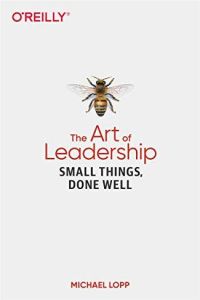
迈克尔·罗普从硅谷工程师转型成为了一名主管。他相信“将小事做好”这一理念对领导者的职业生涯至关重要。在这本由三部分或说“三幕”组成的回忆录中,作者讲述了他从网景(Netscape)、苹果(Apple)和斯莱克(Slack)一路走来的历程,讨论了作为管理者、主管及高管的不同意义。他鼓励所有的领导者,不论是新晋的管理者还是经验丰富的高管,都能在招聘、指派任务、举行会议、处理危机、控制流言等小事上亲历亲为。他的讲述甚至让乏味的话题也趣味横生。此外,他还在某一章节中介绍了若干无人胜出的情况,对于星际迷航(Star Trek)的粉丝来说,这些内容都十分有趣。
浓缩书
关于作者
迈克尔·罗普(Michael Lopp)曾作为工程师和商业领导者供职于斯莱克(Slack)、宝蓝(Borland)、网景(Netscape)、帕兰提尔(Palantir)、拼趣(Pinterest)和苹果(Apple)等公司。著有《管理人事》(Managing Humans),《第三版本》(Third Edition)和《作为极客》(Being Geek)。
猜你喜欢
同主题延伸阅读
相关技能

Advance Your Career

AI Transformation

Build and Maintain Well-Being

Career

Develop Team Members

Drive Project Management

Foster a Culture of Innovation

Human Resources

Innovation

Lead Ethically

Lead Operational Planning

Live Well

Manage Learning and Development

Manage Risk

Master Collaboration

Master Interpersonal Skills

Optimize Workforce Performance

Place Talent Strategically

Promote Diversity, Equity, and Inclusion

Strengthen Team Collaboration

Strengthen Your Digital Literacy

Understand Organizations

Communicate Across Cultures

Leverage AI for Management

Set and Achieve Goals

Foster Open Communication

Lead Strategically

Manage Project Timelines

Practice Gratitude

Practice Servant Leadership

Understand Cultural Differences

Practice Transformational Leadership

Understand Emotions

Excel at Conversations

Manage Teams and Departments

Show Empathy and Compassion

Make Good Decisions

Drive Organizational Performance

Leverage AI in Your Daily Tasks

Cultivate Self-Discipline

Dare to be Vulnerable

Enhance Employee Experience

Onboard New Hires

Collaborate Across Functions

Become a Mentee

Build Your Resilience

Embrace Challenges

Resolve Conflicts

Promote Generational Inclusion

Support Others

Create a Sense of Belonging

Build an Inclusive Culture

Lead Yourself

Become More Productive

Develop Leaders

Take Group Decisions

Handle Grievances

Live Intentionally

Cultivate Flexibility

Communicate Effectively

Have Effective Meetings

Manage Employee Relations

Solve Problems

Develop Self-Awareness

Foster Team Culture

Mentor Employees

Support Team Members’ Careers

Become More Adaptable

Navigate Office Politics

Implement Executive Coaching

Set and Track KPIs

Evaluate Employees

Understand Organizational Culture

Decide Under Uncertainty

Manage Up

Work Remotely

Manage Stress

Set Performance Standards

Avoid Procrastination

Succeed in a New Job

Promote Ethnic Inclusion

Personal Growth

Drive Team Performance

Improve Team Performance

Coach People

Collaborate Virtually

Communicate Transparently

Deal with Difficult People

Facilitate Discussions

Increase Your Cultural Awareness

Practice Mindfulness

Be Emotionally Intelligent

Facilitate Group Ideation

Management

Master Prioritization

Lead Remote or Hybrid Teams

Maintain Work-Life Balance

Use AI for Personal Productivity

Navigate Workplace Culture

Manage People and Talent

Navigate Difficult Conversations

Provide Feedback

Motivate Your Team

Manage Crises

Leadership

Practice Humility

Build Psychological Safety

Soft Skills

Shape Organizational Culture

Navigate Uncertainty

Manage Your Emotions

Workplace Skills

Executive Leadership

Lead Through Crises

Manage Performance

Conduct Performance Reviews

Navigate Leadership Challenges

Manage Your Time

恭喜你又学完了一篇干货!复述、评论及做笔记是对知识最大的致敬↓