
书籍
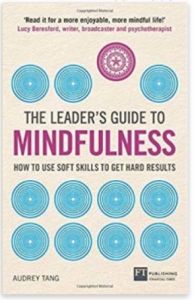
领导者的正念指南
如何运用软实力克敌制胜
FT Publishing,
2018
more...
FT Publishing © 2018
This authorized summary of THE LEADER’S GUIDE TO MINDFULNESS is published by arrangement with Pearson Education Limited.
书号: 9781292248400
页数: 248
This authorized summary of THE LEADER’S GUIDE TO MINDFULNESS is published by arrangement with Pearson Education Limited.
书号: 9781292248400
页数: 248



Right-click on the code to copy the image.
Note: On an ASP portal, the link behind the code is portal specific!
导读荐语
大多数人只是对正念(mindfulness)略有了解,但商业领袖却认识到了它对职业和工作场所的影响。心理学家奥黛丽·唐在报告中提出,参与正念疗法的用户反馈,正念能够让他们更加积极和专注,适应力更强。同时,正念可以帮助我们更清晰地认识到自身的认知偏差、目标和价值取向,并提升自己的领导力。奥黛丽在报道中阐释了运用正念做出更好决策的办法:正念可以帮助我们确定信息的重要程度;区分重要信息和干扰信息。对于如何在工作中运用正念,奥黛丽认为员工可以在共同协作、适应力、创造力等方面运用正念技巧,或者通过正念学习,提高个人的“情绪敏捷性”和信心。
浓缩书
关于作者
奥黛丽·唐(Audrey Tang),皇家心理学家,创立了点击训练(CLICK Training)。她还是克丽丝B·唐秀(Chrissy B. Show)的常驻心理学家。克丽丝B.秀(Chrissy B. Show)是一个致力于心理健康的英国项目。奥黛丽·唐引用的一些研究可以在Mindful.org上找到。
猜你喜欢
同主题延伸阅读
相关技能

Become a Self-Driven Learner

Become More Productive

Develop Innovative Products

Drive Team Performance

Entrepreneurship

Executive Leadership

Human Resources

Lead Strategically

Leadership

Live Well

Management

Master Collaboration

Master Interpersonal Skills

Personal Growth

Shape Organizational Culture

Soft Skills

Workplace Skills

Build Team Cohesion

Enhance Team Agility

Build Your Resilience

Foster Team Culture

Improve Your Mental Health

Become More Adaptable

Build Psychological Safety

Collaborate Creatively

Develop Self-Awareness

Embrace Divergent Thinking

Foster Open Communication

Live Intentionally

Pursue Lifelong Learning

Show Empathy and Compassion

Support Others

Cultivate a Growth Mindset

Cultivate Flexibility

Decide Under Uncertainty

Cultivate Self-Discipline

Build and Maintain Well-Being

Enhance Your Focus

Lead Yourself

Motivate Your Team

Facilitate Group Ideation

Make Good Decisions

Encourage Experimentation

Strengthen Team Collaboration

Be Creative

Foster Collaboration

Develop Self-Mastery

Understand Emotions

Champion New Ideas

Foster a Culture of Innovation

Innovation

Promote Creativity

Manage Your Emotions

Be Emotionally Intelligent

Practice Mindfulness

恭喜你又学完了一篇干货!复述、评论及做笔记是对知识最大的致敬↓