



Cliquez sur le code avec le bouton droit de la souris pour copier l'image.
Remarque : Sur un portail ASP, le lien mentionné à côté du code est spécifique au portail !
Recomendação
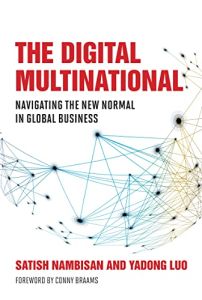
O número de empresas multinacionais (MNE) explodiu exponencialmente nos últimos anos e a digitalização permitiu que as empresas ampliassem as suas capacidades e expandissem além das fronteiras. Porém, de acordo com os professores de gestão Satish Nambisan e Yadong Luo, antes de penetrar nos mercados estrangeiros, as multinacionais devem avaliar as complexidades potenciais e ajustar a suas estratégias de acordo. Esteja você administrando uma loja na Alibaba ou uma gigante multinacional, Nambisan e Luo enfatizam a importância de analisar e se adaptar a tudo, desde estratégias de inovação “recombinantes” com base na tecnologia digital até regulamentações locais restritivas.
Resumo
Sobre os autores
Professor de gestão de tecnologia na Weatherhead School of Management da Case Western Reserve University, Satish Nambisan também é autor de The Global Brain. Yadong Luo, professor de gestão da Universidade de Miami, é o autor de Global Dimensions of Corporate Governance.
Mais deste tópico
Os clientes que leem esse resumo também leem
Relacionados a habilidades

Communicate Effectively

Corporate Finances

Develop Innovative Products

Develop the Organization

Develop Your Thinking Skills

Aerospace and Defense Industry

Markets in Africa

Markets in India

Markets in North America

Markets in Switzerland

Markets in the Middle East

Media and Entertainment Industry

Future of Work

Drive AI Transformation

Drive Team Performance

Enhance Cybersecurity

Executive Leadership

Human Resources

Increase Your Cultural Awareness

Lead Operational Planning

Lead Strategically

Lead Yourself

Leverage AI for Finance

Leverage AI for Leadership

Leverage AI for Management

Leverage AI for Product Development

Leverage AI in Your Daily Tasks

Manage Change

Manage Financial Risks

Manage Learning and Development

Manage Supply Chain Operations

Management

Market Insights by Industry

Marketing

Navigate Leadership Challenges

Personal Growth

Production and Logistics

Promote Diversity, Equity, and Inclusion

Sales

Soft Skills

Sustainability

Understand AI

Understand Economics

Use AI for Production & Supply Chain

Workplace Skills

Aerospace and Defense Challenges

Discover and Understand Internet of Things

Challenges in Latin America

Consulting Industry

Understand AI Impact on Business and Economy

Use AI for Generating Ideas

Use Scenario Planning

Cultivate Positivity

Consumer Goods Industry

Do Business in China

Govern Compliance and Risk

Hedge Foreign Exchange Risks

Leverage AI for Business Strategy

Leverage L&D Technology

Navigate Uncertainty

Promote Neuro-Inclusion

Understand Cultural Differences

AI Transformation

Challenges in China

Discover Innovation Case Studies

Markets in Latin America

Guide Teams Through AI Transition

Plan and Strategize Your Sales

Plan Strategically

Think Strategically

Be Emotionally Intelligent

Build Your Startup

Emerging Work Technologies

Opportunities in Africa

Foster a Culture of Innovation

Master Marketing Strategy

Practice Mindfulness

Develop Grit

Markets in Asia

Discover Societal Shifts

Do Business in India

Enhance Team Agility

Leverage Outsourcing and Offshoring

Organize Innovation

Challenges in Africa

Challenges in Asia

Challenges in India

Challenges in the Middle East

Markets in China

Drive AI Adoption in Teams

Entrepreneurship

Leadership

Succeed as an Entrepreneur

Understand AI Risks

Use AI with Company Knowledge

Embrace Change

Implement Agility

Lead through Change

Use AI for Supplier Risk Monitoring

Communicate Digitally

Discover and Understand 5G and Connectivity

Tech Impact on Work

Do Business in Latin America

Manage Climate Risks

Manage Risk

Global Trade and Exchange Rates

Use AI for Risk Modeling

Ensure Business Continuity

Improve Your Mental Health

Digitize Business Processes

Implement Digital Infrastructure

Leverage Ambidexterity

Live Well

Manage Cyber Risk

Market Insights by Region

Overcome Challenges

Use AI for Risk Assessment

Assess Digital Maturity

Become More Adaptable

Build and Maintain Well-Being

Cultivate a Growth Mindset

Cultivate Flexibility

Consumer Behavior in Asia

Media and Entertainment Challenges

Discover Supply Chain Risks

Drive Business Development

Develop Self-Mastery

Retail Industry

Drive Digital Marketing

Build Your Resilience

Execute Digital Operations

Innovation

Manage Digital Risk and Ethics

Do Business in Africa

Build Digital Business Models

Innovate Strategically

Understand Innovation

Discover and Understand Digital Technologies

Innovate Business Models

Strategize Digital Transformation

Define Digital Strategy

Manage Intellectual Capital

Master Digital Tools

Strengthen Your Digital Literacy

Discover Global Perspectives

Apply Open Innovation

Enable Digital Organization

Digital Transformation

Build Digital Culture

Comente sobre este resumo