Skip navigation
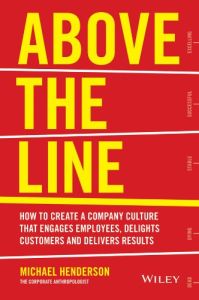
Above the Line
Book

Above the Line

How to Create a Company Culture That Engages Employees, Delights Customers and Delivers Results

Wiley, 2014 more...

Buy the book


Editorial Rating

7

getAbstract Rating

  • Applicable

Recommendation

Culture drives everything, and it evolves naturally, but doesn’t have to be random. You can shape your organization’s culture deliberately with the process of “culturing,” and then tend to it carefully. Many leaders ignore culture’s power and instead post meaningless mission statements or issue platitudes about values. Michael Henderson, a corporate anthropologist, applies his considerable experience within organizations to the question of culture. He describes levels of cultures from “dead” and “dying” to “successful” and imbued with excellence. He shows readers how to identify these levels and how to help their organizational culture evolve. Henderson’s guide contains many nuggets of wisdom and excellent advice, though the read can be slow and some sweeping statements would benefit from additional sourcing. getAbstract recommends Henderson’s insight and guidance to leaders across all industries and to all sizes and kinds of companies, including nonprofits.

Summary

Don’t Take Culture for Granted

Culture forms naturally within groups of people without deliberate action on anyone’s part. Yet as a corporate leader, you don’t want to let culture just happen at random. Instead, you can use “culturing” to plan and execute a vision for the right culture for your organization, just as you would plan any other strategy. Culture is your de facto organizational environment – its “process of social interaction.” Culture isn’t how people do things; it’s the reason why. Powerful culture compels people to surrender their self-interest to the organization’s collective mission or purpose.

The deliberate managerial work of culturing acknowledges and addresses various, related aspects of culture that are “mutable, complex, journeying, evolving and perpetually expanding or shrinking.” View your culture from the perspective of your employees, customers and other stakeholders. They can honor your organization’s culture, reject it, or accept your culturing initiatives, changes of command and fresh strategy – depending on their notions of your culture and the values and beliefs they share with it. If, for example, your culture goes against the reasons...

About the Author

Cultural anthropologist Michael Henderson studies corporate cultures just as social scientists study tribal cultures. Henderson has written several books about this specialty.



Comment on this summary

  • Avatar
  • Avatar
    T. G. 1 decade ago
    On my door in my office is a sign that states "ABOVE THE LINE"-we are branding above the line culture and have been doing so for many years. It does promote better leaders, a better environment and a better culture.
  • Avatar
    M. S. 1 decade ago
    Summary reminds me that I need to ensure I am hiring the right people for the mission of my organization and department..... I like how the author describes each culture and see elements of each in places I have worked.
  • Avatar
    A. M. 1 decade ago
    Sometimes we forget how important cutlure is to achieving our goals. In order for an organization to be successful, it needs to insure that its culture is aligned with its strategy. This summary gives good ideas on how to ensure that happens.

More on this topic

Related Skills

Attract and Recruit Talent
Be Emotionally Intelligent
Become More Adaptable
Build and Maintain Well-Being
Career
Communicate Effectively
Develop Team Members
Develop the Organization
Digital Transformation
HR Case Studies
Enable Digital Organization
Enhance Cybersecurity
Entrepreneurship
Execute Digital Operations
Executive Leadership
Human Resources
Innovation
Lead Ethically
Lead Operational Planning
Lead Strategically
Leadership
Manage Corporate Communications
Manage Learning and Development
Manage People and Talent
Manage Teams and Departments
Management
Marketing
Master Collaboration
Master Interpersonal Skills
Personal Growth
Plan Strategically
Plan Your Career
Promote Diversity, Equity, and Inclusion
Sales
Soft Skills
Strengthen Team Collaboration
Sustainability
Understand Organizations
Workplace Skills
Master Branding
Define Purpose, Vision, and Mission
Plan and Strategize Your Sales
Understand Cultural Differences
Advance Your Career
Navigate Workplace Culture
Practice Self-Care
Set Career Goals
Implement ESG Strategies
Live Intentionally
Communicate Corporate Strategy
Have Effective Meetings
Practice Transformational Leadership
Cultivate a Growth Mindset
Develop a Business Plan
Drive Organizational Performance
Foster Open Communication
Understand Yourself
Improve Your Mental Health
Develop Corporate Messaging
Promote Generational Inclusion
Understand Organizational Culture
Develop Self-Mastery
Create a Hiring Strategy
Create a Sense of Belonging
Motivate Yourself
Build Team Cohesion
Foster a Culture of Innovation
Dare to be Vulnerable
Facilitate Group Ideation
Lead Yourself
Translate Strategy into Action
Foster Ownership in Others
Manage Your Leadership Impact
Discover Cultural Trends
Master Content Marketing
Organizational Culture Case Studies
Find Meaning
Lead Inclusively
Live Well
Manage Employee Relations
Champion Diversity
Promote a Learning Culture
Communicate Across Cultures
Communicate Corporate Purpose
Coach People
Motivate Your Team
Build Digital Culture
Leverage Employee Resource Groups
Set Business Goals
Practice Servant Leadership
Master Marketing Strategy
Develop Self-Awareness
Drive Employee Engagement
Support Employees’ Well-being
Build Security Culture
Define Core Values
Promote Ethnic Inclusion
Foster Team Culture
Build an Inclusive Culture
Drive Continuous Improvement
Increase Your Cultural Awareness
Build Psychological Safety
Drive Team Performance
Communicate Strategically
Promote Customer Centricity
Enhance Employee Experience
Shape Organizational Culture