Skip navigation
Austerity Business
Book

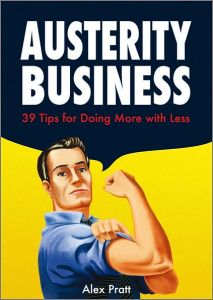
Austerity Business

39 Tips for Doing More with Less

Wiley, 2010 更多详情

Buy the book


Editorial Rating

7

getAbstract Rating

  • Well Structured
  • For Beginners

Recommendation

Business always has run in cycles, from exhilarating highs to devastating lows. Monetary tremors typically register somewhere in the middle range, but every so often, tectonic financial plates shift worldwide, creating permanent change. Scarcely any entity has emerged unscathed from the international economic crisis that began in 2008 and that continues to wreak havoc. Pretending that things will one day “return to normal” means denying reality, insists Alex Pratt, a veteran entrepreneur. He believes business must adopt a new philosophy in this “age of austerity,” when there’s less money, reduced workforces and smaller appetites for risk. He calls for businesses to return to the fundamentals: intelligent spending, informed decisions, smart staffing and first-rate customer service. Yes, current economic conditions have created hesitancy and insecurity, but now is your opportunity to formulate a strategy and execute an action plan that will help ensure your survival and, perhaps, lead to prosperity. Pratt’s “39 tips” occasionally overlap and intersect. But that quibble aside, getAbstract believes Pratt’s approach has utility and validity. Like it or not, austerity is here to stay. Get used to it.

Summary

A New Way of Doing Business

There’s no use looking wistfully through your rearview mirror – the global financial crisis that took hold in 2008 has created fundamental changes. The fall of giants such as Lehman Brothers represents the crumbling of corporate pillars once thought indestructible. The factors that traumatized the economy include skyrocketing personal and institutional debt, the mortgage meltdown, bankruptcies, foreclosures and unemployment.

Prosperity has given way to austerity. The old way of doing business no longer is viable. From the corporate CEO to the owner of the neighborhood grocery store, businesspeople have become more deliberate and conservative. Everyone scrutinizes the bottom line. Though economic recovery is likely, things never will return to the way they were, so smart businesspeople must recognize the opportunity to devise a new philosophy and embrace change.

A Mandate for Change

Most people fear change, especially when they’ve been operating a certain way for a long time. A big gap yawns between recognizing the need for change and actually executing it. During the era of prosperity, the focus was on growth and market dominance...

About the Author

Alex Pratt is an entrepreneur and director of Serious Brands in England. He has advised several governments on business, competition and innovation.


Comment on this summary

More on this topic

Related Skills

Attract and Recruit Talent
Become More Adaptable
Build and Maintain Well-Being
Communicate Effectively
Control Financial Performance
Corporate Finances
Develop Team Members
Food and Beverage Industry
Drive Team Performance
Executive Leadership
Foster a Culture of Innovation
Generate and Qualify Leads
Human Resources
Innovation
Lead Ethically
Lead Yourself
Leadership
Manage Change
Manage Climate Risks
Manage Corporate Communications
Manage Performance
Manage Risk
Manage Teams and Departments
Management
Market Insights by Industry
Marketing
Master Collaboration
Navigate Leadership Challenges
Optimize Workforce Performance
Personal Growth
Plan Strategically
Promote Diversity, Equity, and Inclusion
Sales
Strengthen Team Collaboration
Sustainability
Understand Economics
Workplace Skills
Be Authentic
Build Your Presence
Handle Grievances
Food and Beverage Challenges
Build Prospect Rapport
Economic Indicators
Mitigate Carbon Footprint
Manage Post-Sale Relationships
Conduct Performance Reviews
Navigate Difficult Conversations
Use Scenario Planning
Convert Prospects
Understand Human Behavior
Microeconomics
Build Your Resilience
Enhance Employee Experience
Foster Team Culture
Navigate Office Politics
Become More Productive
Excel at Cold Calling
Facilitate Discussions
Lead Through Crises
Analyze and Control Costs
Dare to be Vulnerable
Manage Procurement
Navigate Uncertainty
Set Boundaries
Manage Supply Chain Operations
Business Cycles
Be Emotionally Intelligent
Manage Your Emotions
Support Employees’ Well-being
Master Interpersonal Skills
Deal with Difficult People
Master B2B Sales
Practice Humility
Soft Skills
Communicate Transparently
Ensure Business Continuity
Lead through Change
Practice Servant Leadership
Create a Hiring Strategy
Manage Employee Relations
Production and Logistics
Supply and Demand
Manage People and Talent
Show Empathy and Compassion
Manage Your Time
Finalize Hiring Decisions
Motivate Your Team
Evaluate Candidates
Manage Corporate Reputation
Build Psychological Safety
Manage Your Personal Reputation