
跳过导航
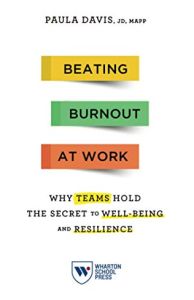
Beating Burnout at Work
Book

Beating Burnout at Work

Why Teams Hold the Secret to Well-Being and Resilience

Wharton School Press, 2021 更多详情

Buy the book

Editorial Rating

7

getAbstract Rating

  • Eye Opening
  • Hot Topic
  • Engaging

Recommendation

Are you feeling burned out? You’re far from alone. In this helpful book, Paula Davis, an expert on burnout, presents the causes of work-related stress and discusses how to mitigate its damage. Organizations and individuals can reduce burnout, she argues, by making minor adjustments to their mind-sets, schedules and workflows. Davis suggests assessing what’s important to you and analyzing your schedule. If you spend less than 20% of your day on tasks you’re passionate about, you’re vulnerable to burnout. By adjusting your daily to-do list, however, you can immunize yourself against exhaustion.

Summary

 Burnout is epidemic.

The military coined the acronym VUCA – volatile, uncertain, complex, ambiguous – to describe the nerve-jangling fog of war. Civilians also struggle to adapt to a world of unceasing change and ever-increasing demands. Burnout hits workers in all sectors, including finance and technology. In the case of physicians, burnout threatens the health of not only the doctor suffering from work fatigue, but his or her patients, too. Burned-out doctors are more likely to commit medical errors.

Three symptoms characterize burnout:

  • Extreme fatigue – Chronic work stress can leave you exhausted, physically and emotionally. Physical manifestations often include headaches, insomnia and chronic pain. Psychological symptoms might include anxiety and depression.
  • A jaded outlook – Burnout victims become more cynical and less empathetic. Colleagues and customers become a source of annoyance rather than inspiration. Irritability, absenteeism and a fear of interacting with others are telltale signs of burnout.
  • Defeatism – Burnout kills passion and drive, leaving sufferers with a sense...

About the Author

Paula Davis, who contributes to Forbes, Fast Company and Psychology Today, is founder and CEO of the Stress & Resilience Institute.


Comment on this summary

More on this topic

Related Skills

Advance Your Career
Become More Adaptable
Career
Communicate Effectively
Develop Innovative Products
Develop the Organization
Digital Transformation
Entrepreneurship
Execute Digital Operations
Human Resources
Innovate Strategically
Leadership
Manage Change
Manage Learning and Development
Manage Remuneration
Management
Master Collaboration
Navigate Leadership Challenges
Personal Growth
Promote Diversity, Equity, and Inclusion
Understand Innovation
Workplace Skills
Develop Self-Awareness
Leverage Ambidexterity
Set Boundaries
Support Others
Implement Agility
Understand Yourself
Apply Lean Startup
Foster Team Culture
Excel at Conversations
Offer Flexible Work Arrangements
Maintain Work-Life Balance
Lead through Change
Build Team Cohesion
Improve Your Mental Health
Build Psychological Safety
Collaborate Creatively
Motivate Your Team
Enhance Employee Experience
Generate Ideas
Cultivate Self-Discipline
Understand Creativity
Understand Team Dynamics
Promote Creativity
Build Your Resilience
Enhance Team Agility
Find Your Purpose
Create a Sense of Belonging
Manage Your Emotions
Practice Mindfulness
Create Learning Experiences
Design Incentive Structures
Be Creative
Be Emotionally Intelligent
Encourage Experimentation
Live Well
Motivate Yourself
Support Employees’ Mental Health
Soft Skills
Navigate Office Politics
Challenge Assumptions
Dare to be Vulnerable
Drive Team Performance
Manage Team Boundaries
Engage in Job Crafting
Show Empathy and Compassion
Work Remotely
Foster a Culture of Innovation
Overcome Impostor Syndrome
Understand Motivation
Build Confidence
Cultivate a Growth Mindset
Cultivate Positivity
Develop Self-Mastery
Strengthen Team Collaboration
Develop Your Thinking Skills
Facilitate Group Ideation
Embrace Challenges
Enhance Physical Workspace Design
Innovation
Manage People and Talent
Overcome Self-Doubt
Lead Yourself
Manage Stress
Overcome Loneliness
Manage Employee Relations
Support Employees’ Well-being
Find Meaning
Build Strong Relationships
Overcome Challenges
Master Interpersonal Skills
Build and Maintain Well-Being
Apply Design Thinking
Develop Grit