Navigation überspringen
Becoming a Coaching Leader
Book

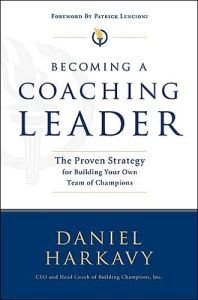
Becoming a Coaching Leader

The Proven Strategy for Building Your Own Team of Champions

Thomas Nelson, 2007 Mehr

Buy the book


Editorial Rating

7

getAbstract Rating

  • Applicable

Recommendation

Would you like to help your team members become more effective, and enjoy their work and personal lives more? Daniel Harkavy teaches you how to do just that by becoming an effective coaching leader. The key to his method is modeling the qualities and behaviors you want to instill in others. To be a coaching leader (and not a mere manager), you need conviction, courage and honesty. By embracing listening and learning, and considering what matters in your life, you can successfully coach people to progress by helping them define their own “Core Four” levels. People who develop a life plan and a business vision, and who manage their priorities, can see how their work contributes to their happiness and sense of purpose. Then, based on their vision statements, they can set clear, purposeful goals that are specific enough to be operational. getAbstract applauds Harkavy’s systematic approach to coaching employees and ultimately adding value to your business.

Summary

Your Life’s Purpose

Business coaching (not to be equated with management consulting) is a fresh approach to fulfilling your life plan and leading others to fulfill theirs as they work within a successful team. It has been growing as a profession over the past few decades, and it takes many approaches toward helping employees be satisfied and productive. No matter what your business sells, your people generate its profits by creating products or providing services, so giving them some assistance adds more value to your company. “Coaching leaders” help employees enhance their skills, lead happier lives and develop a clear sense of purpose. Leaders fall into five categories:

  1. “Self-made” leaders – These leaders believe everyone must make it on their own because they did.
  2. “Perk-and-pray” leaders – These people provide training sporadically because it costs so much, but they do care enough to provide this small benefit, however seldom.
  3. “Mentor” leaders – These leaders are respected for their “knowledge and success.” People come to them with their problems, and they share their wisdom and let others ...

About the Author

Daniel Harkavy is founder of the executive coaching firm Building Champions, which coaches business people on improving the quality of their professional and personal lives.


Comment on this summary

More on this topic

Related Skills

Advance Your Career
AI Transformation
Be Emotionally Intelligent
Become More Adaptable
Career
Communicate Effectively
Develop Innovative Products
Drive Project Management
Foster a Culture of Innovation
Human Resources
Innovate Strategically
Innovation
Lead Ethically
Lead Strategically
Leverage AI for Leadership
Manage Change
Manage Corporate Communications
Manage Learning and Development
Manage Product Innovation
Manage Teams and Departments
Management
Plan Strategically
Sales
Secure Funding
Shape Organizational Culture
Strengthen Team Collaboration
Understand Organizations
Manage Your Leadership Impact
Develop Team Members
Build Useful Habits
Plan and Strategize Your Sales
Soft Skills
Streamline Your Workflow
Entrepreneurship
Define Product Strategy
Drive Team Performance
Use AI for Coaching and Development
Cultivate Self-Discipline
Drive Organizational Performance
Manage People and Talent
Build Psychological Safety
Develop Self-Mastery
Start-up Case Studies
Plan and Execute Projects
Set and Achieve Goals
Plan and Strategize for Growth
Define Core Values
Develop a Business Plan
Succeed as an Entrepreneur
Workplace Skills
Foster Team Culture
Support Team Members’ Careers
Understand Motivation
Set Team Goals
Advance as a Woman Leader
Facilitate Discussions
Pitch Your Business Idea
Mentor Employees
Manage Your Time
Develop Leaders
Lead Yourself
Communicate Corporate Purpose
Maintain Work-Life Balance
Become a Mentee
Become More Productive
Lead Operational Planning
Understand Leadership Approaches
Lead through Change
Set Career Goals
Understand Yourself
Build and Maintain Well-Being
Promote a Learning Culture
Build Your Startup
Leadership
Develop Self-Awareness
Adopt a Learning Habit
Be Coachable
Translate Strategy into Action
Implement Coaching Programs
Become a Self-Driven Learner
Practice Self-Care
Communicate Strategically
Executive Leadership
Delegate Effectively
Plan Your Career
Build a Shared Vision
Navigate Leadership Challenges
Live Well
Cultivate a Growth Mindset
Personal Growth
Set Business Goals
Communicate Corporate Strategy
Define Product Vision
Implement Executive Coaching
Practice Servant Leadership
Practice Transformational Leadership
Coach People
Find Your Purpose
Live Intentionally
Find Meaning
Define Purpose, Vision, and Mission
Master Prioritization