Skip navigation
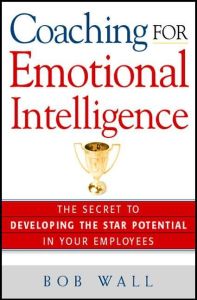
Coaching for Emotional Intelligence
Book

Coaching for Emotional Intelligence

The Secret to Developing the Star Potential of Your Employees

AMACOM, 2006 more...

Buy the book


Editorial Rating

7

getAbstract Rating

  • Applicable

Recommendation

Author Bob Wall's expertise in coaching employees to develop their "emotional" attributes is especially helpful for managers who need a plan for improving their relationships with their subordinates. The book offers useful worksheets and forms, and is loaded with practical workplace examples for mentoring your employees to help them build stronger emotional aptitude on the job. getAbstract recommends this book to those who want to improve their mentoring skills and the quality of the guidance they are able to offer their subordinates.

Summary

The "Emotional" Dimension

Coaches often shy away from mentoring about "emotional" competencies. But often these skills make the difference between a merely competent manager and a truly effective one. A great deal can be accomplished with a heightened awareness of “emotional intelligence or EQ.”

Even when experts promoted IQ tests as a method for measuring the ability of workers or students, they acknowledged that the competencies being assessed were only a part of what contributed to someone’s personal and professional success. The five components of “emotional intelligence” are:

  • "Self-awareness and self-control" – Understanding your core beliefs and values, evaluating how your feelings influence your actions, and responding appropriately in emotional situations.
  • "Empathy" – The ability to appreciate the circumstances and viewpoints of others, and to understand their needs and feelings.
  • "Social expertness" – Creating positive relationships with people by projecting optimism and openness.
  • "Personal influence" – Establishing credibility and accountability that allows...

About the Author

Bob Wall has been an executive coach for nearly 30 years. He has developed evaluation standards for leaders and groups, as well as workshops and training courses on leadership skills. He is the co-author of The Mission-Driven Organization.


Comment on this summary

More on this topic

Related Skills

Advance Your Career
AI Transformation
Attract and Recruit Talent
Build and Maintain Well-Being
Career
Communicate Effectively
Drive Team Performance
Enhance Employee Experience
Foster a Culture of Innovation
Human Resources
Innovation
Lead Ethically
Leverage AI for Leadership
Manage Learning and Development
Manage Performance
Manage Teams and Departments
Management
Master Collaboration
Optimize Workforce Performance
Place Talent Strategically
Plan Your Career
Promote Diversity, Equity, and Inclusion
Shape Organizational Culture
Understand Organizations
Workplace Skills
Manage Employee Relations
Navigate Difficult Conversations
Build Your Presence
Build Psychological Safety
Evaluate Employees
Manage Your Emotions
Communicate Non-Verbally
Manage Change
Foster Team Culture
Deal with Difficult People
Personal Growth
Use AI for Coaching and Development
Motivate Your Team
Develop Self-Mastery
Develop Team Members
Advance as a Woman Leader
Assess Your Skillset
Understand Organizational Behavior
Foster Open Communication
Implement Coaching Programs
Manage Your Leadership Impact
Identify Your Strengths
Soft Skills
Understand Yourself
Navigate Office Politics
Implement Executive Coaching
Lead Yourself
Executive Leadership
Practice Servant Leadership
Show Empathy and Compassion
Develop Leaders
Navigate Leadership Challenges
Become a Mentee
Identify Skills Gaps
Conduct Performance Reviews
Develop Self-Awareness
Evaluate Candidates
Practice Transformational Leadership
Be Coachable
Conduct Employee Surveys
Manage People and Talent
Recognize Social Cues
Leadership
Understand Social Behavior
Provide Feedback
Understand Human Behavior
Lead through Change
Understand Emotions
Master Interpersonal Skills
Be Emotionally Intelligent
Understand Personality Types
Coach People
Mentor Employees