跳过导航
Creating Passion-Driven Teams
Book

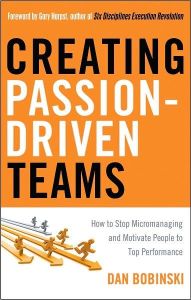
Creating Passion-Driven Teams

How to Stop Micromanaging and Motivate People to Top Performance

Career Press, 2009 更多详情

Buy the book


Editorial Rating

6

getAbstract Rating

  • For Beginners

Recommendation

Don’t try to motivate your employees by manipulating them; be honest with them and you’ll discover that they motivate themselves. Don’t humiliate them when they make mistakes; instead, treat errors as valuable learning experiences. Don’t automatically tune staffers out when they speak; listen and you will discover a lot. Don’t hold meetings just to meet; make sure every conference has a purpose. And above all, don’t micromanage, because that drives good people out the door. This is an ample list of management “don’ts.” But what should you do to manage well? Training expert Dan Bobinski says the answer is simple: Provide the conditions that will spark passion in your people. Although his anecdotes are overly simplified and may seem contrived, getAbstract believes Bobinski presents his points persuasively. His colorful, elementary guide will give newbie supervisors and human resource managers much pause for thought.

Summary

Setting the Stage for Teamwork

Human beings have organized themselves into teams since squads of cavemen surrounded and killed wooly mammoths. The best teams are passionate about their work – and you can’t forge or force that kind of spirit. It bubbles up from within the hearts, souls and minds of team members. However, as a manager, you can create the emotional conditions from which passion will emerge. These include trust, sharing, camaraderie, commitment, common purpose and confidence. When you promote these conditions, you set the stage so that team members can work together with enthusiasm to accomplish their goals.

Every manager has a different style. Managers can be “charismatic, bureaucratic, Machiavellian, democratic, authoritarian [or] laissez-faire.” But basically, they fall into two categories: They are either “Builders” or “Climbers.” Builders want to develop the people around them, while climbers are out for themselves and don’t care what happens to others. Only builders can develop “passion-driven teams.” To become a builder, make these three commitments:

  1. Develop yourself personally and professionally.
  2. Never...

About the Author

Dan Bobinski is a training specialist, executive coach, consultant, columnist, author and keynote speaker. He is president and CEO of a leadership development and management training firm.


Comment on this summary

  • Avatar
  • Avatar
    J. M. 3 years ago
    Extremely informative. Will use these during hours to test difference of performance.
  • Avatar
    S. A. 1 decade ago
    Very useful..thank you.
  • Avatar
    P. J. 1 decade ago
    Author Dan Bobinski is very constructive in his thoughts of building the people in any Organisation. in fact it is the contribution of PEOPLE that contribute a lot in making things superbly and flawlessly happen in both the PROCESS and PERFORMANCE. Passion is just like the necessary fuel required to ignite fire in one to keep the journey towards the GOAL. He has carefully found the underlying characteristics of a leader to build people, motivate them and getting them empowered who in turn are responsible to deliver the goods in timeline. Yes LISTENING is a great quality to attract the best attention of the the people in the desired direction which creates the base of influence. Excellent piece to find in review.

More on this topic

Related Skills

Advance Your Career
Career
Develop Team Members
Executive Leadership
Foster a Culture of Innovation
Human Resources
Innovation
Lead Ethically
Lead Yourself
Live Well
Make Good Decisions
Manage Learning and Development
Manage Teams and Departments
Master Collaboration
Personal Growth
Plan and Strategize Your Sales
Promote Diversity, Equity, and Inclusion
Sales
Shape Organizational Culture
Mentor Employees
Become a Mentee
Avoid Procrastination
Manage Change
Motivate Yourself
Solve Problems
Excel at Conversations
Lead Inclusively
Leadership
Build a Shared Vision
Management
Navigate Leadership Challenges
Foster Open Communication
Be Emotionally Intelligent
Handle Grievances
Recognize Social Cues
Ask Questions
Collaborate Across Functions
Support Others
Streamline Your Workflow
Communicate Non-Verbally
Develop Self-Awareness
Workplace Skills
Create a Sense of Belonging
Dare to be Vulnerable
Manage Sales Teams
Strengthen Team Collaboration
Understand Communication
Address Microaggressions
Set Team Goals
Delegate Effectively
Lead through Change
Communicate Across Cultures
Practice Humility
Understand Organizations
Manage People and Talent
Practice Transformational Leadership
Ensure Accountability in Teams
Become More Productive
Facilitate Group Ideation
Motivate Your Team
Drive Project Management
Manage Team Communication
Build Team Cohesion
Build Psychological Safety
Foster Ownership in Others
Manage Employee Relations
Foster Team Culture
Drive Team Performance
Soft Skills
Communicate Effectively
Understand Motivation
Master Interpersonal Skills
Manage Your Time
Navigate Office Politics
Understand Team Dynamics
Practice Servant Leadership
Show Empathy and Compassion
Facilitate Discussions
Deal with Difficult People
Navigate Difficult Conversations
Have Effective Meetings
Resolve Conflicts
Listen Well