

Book
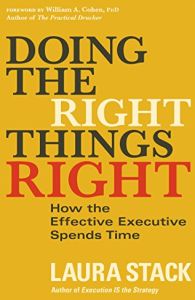
Doing the Right Things Right
How the Effective Executive Spends Time

1×
Connectez-vous pour écouter un résumé audio.



Cliquez sur le code avec le bouton droit de la souris pour copier l'image.
Remarque : Sur un portail ASP, le lien mentionné à côté du code est spécifique au portail !
Recommendation
In 1967, Peter Drucker, the father of modern management, published The Effective Executive: The Definitive Guide to Getting the Right Things Done. Drucker’s best-selling work, which codified business productivity, remains a revered, popular classic. Some of Drucker’s concepts, however, are more traditional than modern. Productivity consultant Laura Stack takes up where Drucker left off, offering a fresh perspective in her updated supplement to Drucker’s indispensable manual. She presents three “T’s” of leadership – “strategic thinking, team focus and tactical work” – as the organizing rubric for 12 critical management goals. Stack details why and how modern executives must operate in “efficient and effective” ways. getAbstract recommends her update to all executives – a category, she says, that includes anyone who makes important decisions.
Summary
About the Author
Laura Stack founded The Productivity Pro consultancy. Her other books include What To Do When There’s Too Much To Do and Execution Is the Strategy.
By the same author
Learners who read this summary also read
Related Skills

Executive Leadership

Lead Strategically

Be Creative

Build and Maintain Well-Being

Communicate Effectively

Develop a Business Plan

Develop Your Thinking Skills

Digital Transformation

Enable Digital Organization

Enhance Cybersecurity

Enhance Employee Experience

Entrepreneurship

Execute Digital Operations

Human Resources

Lead Ethically

Lead Yourself

Leadership

Manage Corporate Communications

Manage Learning and Development

Management

Marketing

Master Interpersonal Skills

Soft Skills

Strengthen Team Collaboration

Communicate Strategically

Dare to be Vulnerable

Leverage Ambidexterity

Practice Servant Leadership

Set Business Goals

Workplace Skills

Cultivate Positivity

Improve Your Mental Health

Manage Team Communication

Promote Failure-tolerance

Develop the Organization

Build Security Culture

Build Team Cohesion

Innovate Strategically

Personal Growth

Shape Organizational Culture

Build Digital Culture

Encourage Experimentation

Become More Productive

Drive Employee Engagement

Pursue Excellence

Live Well

Maintain Work-Life Balance

Practice Transformational Leadership

Communicate Corporate Strategy

Understand Motivation

Innovation

Plan Strategically

Foster Open Communication

Cultivate a Growth Mindset

Cultivate Flexibility

Drive Team Performance

Foster a Culture of Innovation

Become More Adaptable

Build a Shared Vision

Build Psychological Safety

Set and Achieve Goals

Set Team Goals

Motivate Your Team

Communicate Corporate Purpose

Embrace Change

Foster Team Culture

Manage Your Time

Think Strategically

Enhance Team Agility

Implement Agility

Comment on this summary